
Comprehensive Well Inspections for Water Quality Assurance
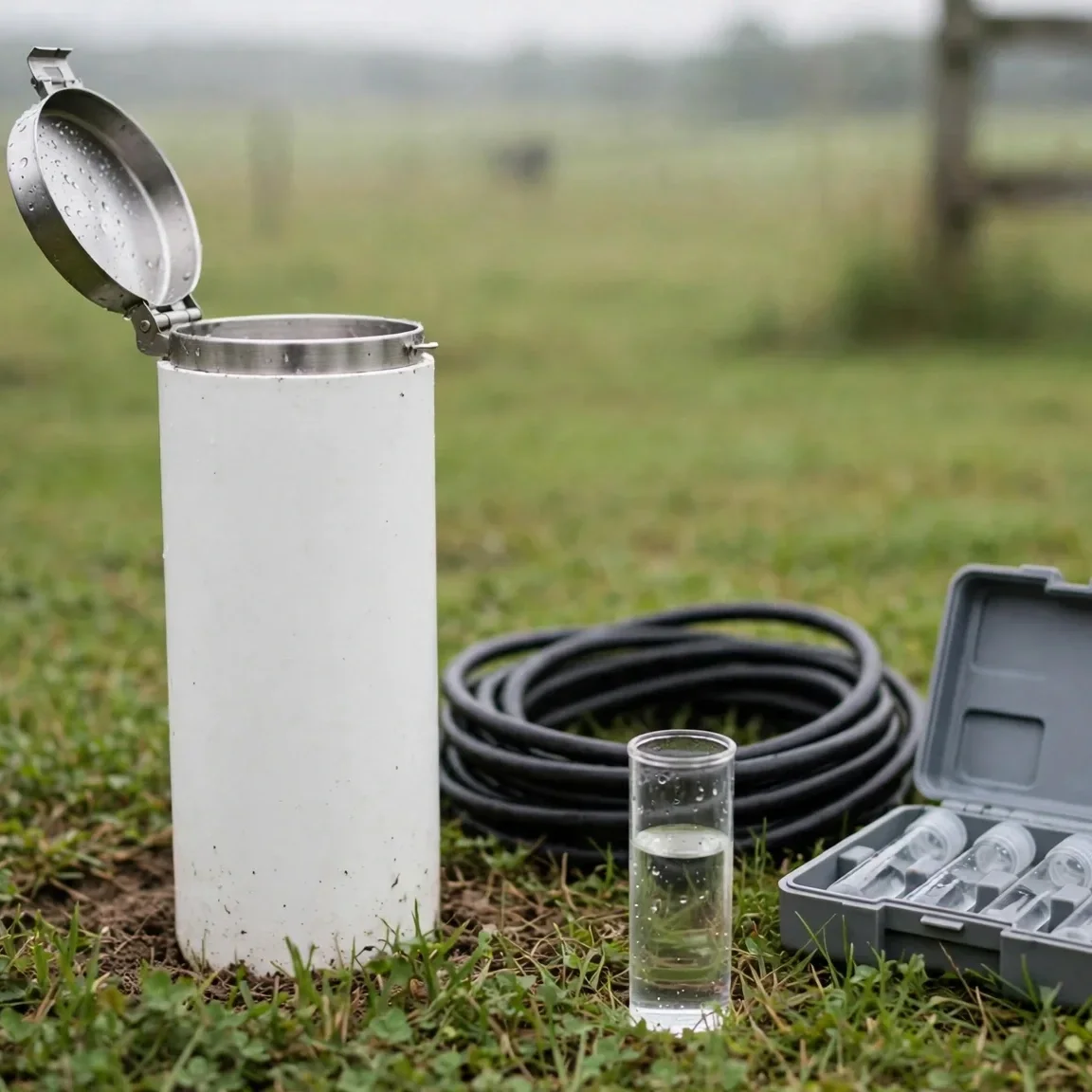
Professional well inspections go far beyond a quick glance at the pump and a nod at the pressure gauge.
Wells are a bit like people—you never quite know what’s going on inside unless you take a good, long look. Sure, water might still be flowing, but what’s in it? Is it clean? Is it safe? Is the well casing hiding a small colony of tree roots throwing a rave party just below the surface?
Professional well inspections go far beyond a quick glance at the pump and a nod at the pressure gauge. They involve a deep dive—sometimes literally—into the entire water system to protect both the quality of the water and the integrity of the infrastructure. Farmers, homeowners, and business owners who rely on well water deserve more than wishful thinking and a clean-looking glass of H2O. They need confirmation that the water source is functioning as it should and free from the unwanted surprises that tend to show up when nobody’s looking.
Peeking Below the Surface
Wells have a habit of hiding their problems. After all, most of what matters is buried underground and out of sight. That’s why inspections aren’t just about what’s visible at the surface. A comprehensive well inspection dives into the mechanical, structural, and sanitary components of the system.
Professional inspectors use specialized tools and experience to evaluate components like the well casing, screen, pump system, seals, wiring, pressure tanks, and discharge lines. In some cases, video cameras are deployed down the well to look for cracks, corrosion, or blockages. It’s a little like a medical endoscopy—just without the anesthesia.
The visual inspection is only the start. A proper assessment evaluates performance indicators, too. Water flow, pressure, drawdown, and recovery rate all reveal important clues about how the well is functioning. A technician can spot if the pump is working too hard to maintain pressure or if sediment is building up at the bottom. Ignoring those signs might not cause problems tomorrow, but give it a season or two, and you could be dealing with pump burnout, collapsed casing, or worse.
Contaminants: The Uninvited Guests
Water that looks clean can still be harboring a cast of unwanted characters. Bacteria, nitrates, arsenic, iron, manganese—the gang’s all here, and they don’t need an invitation. A well inspection isn’t complete without water quality testing to sniff out these invisible troublemakers.
Bacteria like coliforms and E. coli aren’t just bad news—they’re the kind of bad news that ends with sick livestock, unmarketable crops, or a quick trip to the ER. And if you think you’re safe just because the water smells fine and tastes okay, think again. Contaminants often have the courtesy of being completely undetectable without proper testing.
Nitrates, for instance, can sneak into groundwater from nearby fertilizer use or livestock waste. While they’re especially dangerous for infants and young children, high nitrate levels aren’t doing anyone any favors. Arsenic, meanwhile, is naturally occurring in some regions and can build up over time if not monitored.
Professional inspectors don’t just run a quick test strip and call it a day. They pull samples, send them to certified labs, and provide a clear picture of what’s really floating around in your water. More importantly, they help you interpret those results and provide options for treatment or remediation if needed because no one wants to learn the word “chlorination” the hard way.
The Case for Routine Inspections
Too many well owners treat inspections like dentist appointments—something you only schedule when something hurts. The problem with that approach is that wells don’t often show symptoms until the issue is advanced. By the time your water pressure drops or your water smells like a high school science experiment, the damage has already set in.
Routine inspections catch early warning signs, whether it’s slow drawdown, deteriorating pump performance, or changes in water clarity. It’s the kind of proactive care that keeps systems running longer, protects water quality, and heads off expensive repairs.
Think of it like rotating the tires on your truck. Do it before you see smoke.
Seals and Casings: The Quiet Guardians
Seals and casings aren’t flashy. They don’t buzz, hum, or pump. But they’re the frontline defense against contamination. A cracked casing or failing seal can allow surface runoff, pesticides, bacteria, or even small critters to wiggle their way into the water supply.
During an inspection, professionals look for signs of wear, corrosion, or improper installation. Even a small breach can allow contaminants to enter and mix with the water column. If there’s one thing nobody wants swimming in their drinking water, it’s a drowned field mouse.
And yes, that has happened.
Pump System Performance: The Beating Heart of the Well
The pump does all the heavy lifting—literally. It moves water from underground to the surface, often dozens or even hundreds of feet. When it’s running smoothly, it’s easy to forget it exists. But like any machine, pumps wear down.
Inspections test voltage, current, motor resistance, and thermal protection. Pressure switches are tested and adjusted if needed. A sluggish pump might still be delivering water, but it could be using way more electricity than necessary or operating on the brink of failure.
Professionals have the right tools to test these systems under real operating conditions. They know what normal looks like and can tell when the motor is straining or a pressure tank isn’t holding its charge. Think of it as preventive cardio for your water system.
Record Keeping: Because Memory Isn’t a Maintenance Strategy
One of the unsung benefits of professional well inspections is the detailed documentation. Inspections include written reports with findings, photos, test results, and service recommendations. That creates a historical record you can reference during future service, property evaluations, or if the water quality suddenly changes.
Good record-keeping also helps identify trends. A technician might notice the pump’s drawdown rate has changed significantly compared to last year’s inspection, pointing to a developing problem you wouldn’t have caught otherwise. Like the quiet friend in the group project, records quietly do a lot of heavy lifting behind the scenes.
When to Call in the Pros
Professional well inspections are a good idea annually, or anytime major changes happen—like after flooding, construction near the well site, noticeable changes in water quality, or if the pump starts behaving like it needs a vacation.
Professionals aren’t just trained—they come with gear and experience most DIY efforts lack. They know how to interpret pressure readings, spot the early signs of casing collapse, and navigate tight spaces with tools designed for the job. That level of knowledge makes inspections faster, safer, and more accurate.
And yes, they probably have a better flashlight than you.
Why Skipping Inspections Can Cost More Later
Neglecting a well is a little like skipping oil changes. It might save time now, but the bill comes due eventually—and it usually costs more. Replacing a burned-out pump, chlorinating a contaminated well, or drilling a new well altogether makes a simple inspection sound like a steal.
There’s also the human side to think about. Families, employees, livestock, and customers depend on clean water. So do crops. Trusting water quality to chance can compromise everything from productivity to health.
Wells may be out of sight, but they shouldn’t be out of mind.
Professional Service, No Guesswork Required
Working with a professional well inspection team means you don’t have to interpret cryptic pressure readings or wonder if that rattle is “just normal.” You receive clarity, recommendations, and peace of mind—all delivered with the kind of precision and know-how that comes from experience.
And possibly with a few jokes, because let’s be honest—talking about coliform bacteria all day needs some comic relief.
Water is too important to leave to chance. Regular, professional well inspections help protect your water source, your infrastructure, and the people who depend on it.
Residents of Lake Butler and surrounding areas trust Perry-Pump Repair Services for professional well inspections, sediment filter replacement, constant pressure systems, and workhorse solar pumps. We have over 50 years of experience providing top class pump repair and well solutions. Count on us to handle any well or pump problem efficiently. Contact us for free pump repair and low-pressure estimates.