
Detecting Potential Issues with Routine Well Evaluations
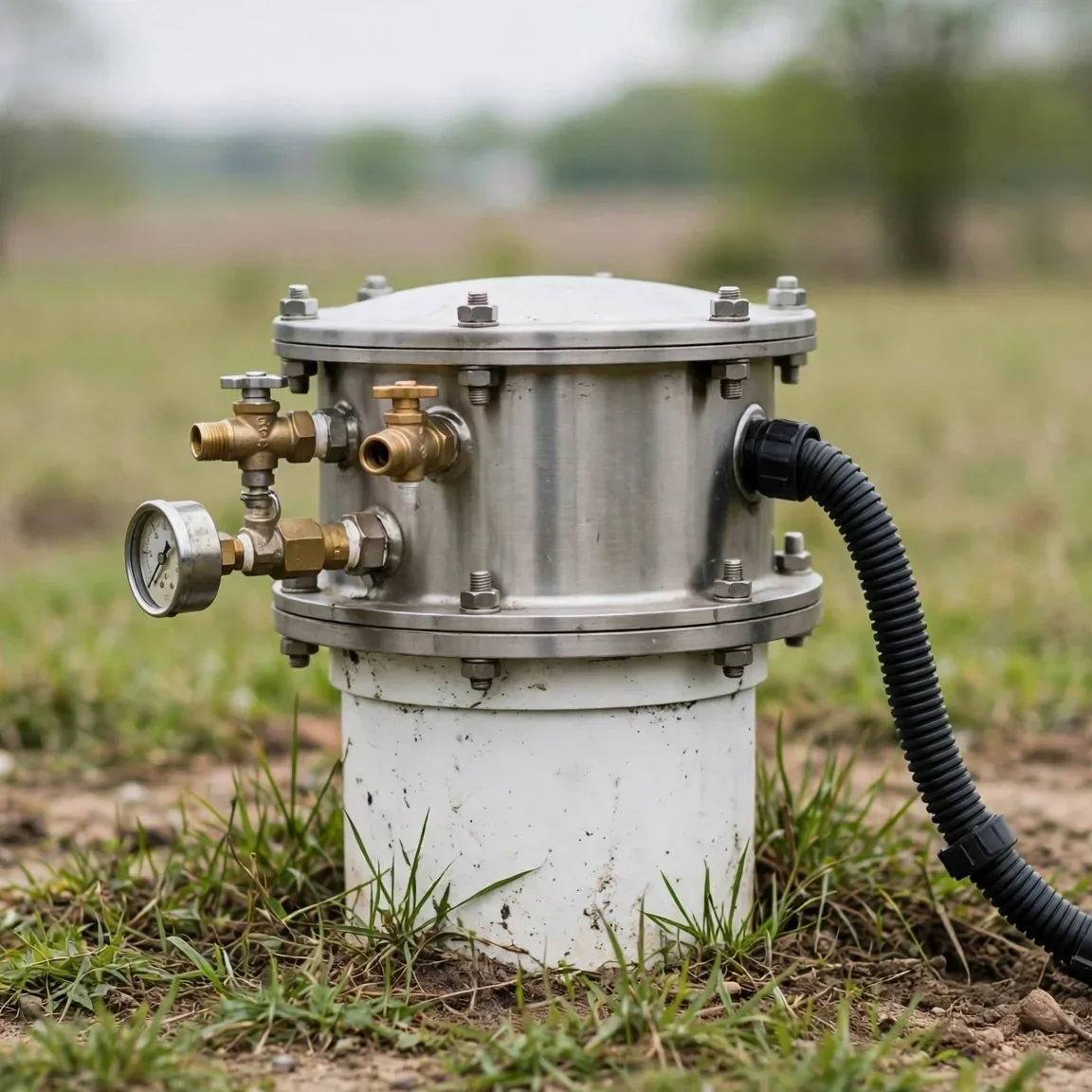
Everything important happens underground, out of sight, and often without any obvious signs that something's gone sideways.
Wells are masters of mystery. Everything important happens underground, out of sight, and often without any obvious signs that something's gone sideways. One day, water flows like a dream. Next, the pressure drops, the faucet sputters, and everyone starts looking at the well as if it had betrayed them. The truth is, wells rarely go from "fine" to "failing" overnight. They whisper before they shout.
Routine well evaluations act like translators. They pick up on those whispers and turn them into real, actionable information. For anyone who depends on a well for drinking water, livestock, crops, or business operations, regular evaluations are the difference between water reliability and water regret.
Listening to What Water Isn't Saying
When water pressure gets weird or flow slows to a trickle, something underground is starting to struggle. Maybe the pump is working harder than it should. Maybe sediment is building up where it doesn't belong. Or maybe the aquifer isn't cooperating the way it used to.
Professional inspections don't wait for something dramatic. They look for early changes in pump cycling, drawdown rates, recharge speed, and water-level fluctuations. They catch pump inefficiencies that haven't triggered an alarm—yet. They document subtle changes that may not seem like much now but could point to deeper structural or hydraulic issues over time.
Without regular check-ins, those signs get missed. Then, instead of making a small fix, you're stuck with a bigger repair, a replacement pump, or even a full system overhaul.
The Danger of the "It's Still Working" Mindset
Just because water is flowing doesn't mean everything's fine. Pumps wear out gradually. Pressure tanks lose their charge. Valves corrode, and controls fall out of sync. The system can keep chugging along, slowly underperforming, until it suddenly stops working altogether.
Routine well evaluations cut through the false sense of security. A skilled technician knows how to assess performance data and physical wear before it leads to a breakdown. They'll test amperage, voltage, drawdown, and flow rates. They'll look for vibration, overheating, and signs of corrosion that most people never notice.
It's not overkill. It's just smart maintenance like checking the brakes on a truck before they squeal.
Small Cracks, Big Trouble
One hairline fracture in the casing is all it takes to turn a clean well into a contaminated one. Over time, soil movement, freeze-thaw cycles, and natural aging can compromise the integrity of the well structure. And when that happens, surface water, bacteria, and chemical runoff can all find a new underground highway—straight into your drinking supply.
Routine evaluations often include visual assessments of well heads, seals, and above-ground components. But for a more in-depth look, professionals use downhole video equipment to assess casing integrity, check for debris buildup, and monitor screen condition.
It's like a colonoscopy for your water system—unpleasant in theory, but extremely helpful in practice.
Water Quality Doesn't Stay Static
Even if your well was tested and cleaned last year, changes in land use, nearby septic systems, or shifts in the water table can affect quality. And unlike flavor or smell, most contaminants don't announce their arrival with fanfare.
Routine evaluations include lab testing for bacterial presence, chemical content, and mineral levels. These tests reveal the slow creep of problems like nitrate infiltration, E. coli contamination, and heavy metal accumulation—issues that often go unnoticed until someone gets sick or the well fails regulatory tests. The best part? Professionals don't just hand over a confusing sheet of lab numbers. They explain what it means, what might be causing the issue, and what to do about it.
Sediment Is Sneaky
No one likes gritty water, but sediment problems usually start before you can feel the grit in your glass. Silt, sand, and mineral buildup can wear down pump components, clog fixtures, and gradually reduce flow.
Professional evaluations measure turbidity and check for sediment entry points. If buildup is detected, they investigate the cause—whether it's a failing screen, improper pump placement, or aquifer disturbance. Solving the problem might involve raising the pump, cleaning out accumulated debris, or installing filtration. Whatever the fix, it's always easier (and cheaper) to deal with it before your washing machine fills up with sludge.
Pumps Can't Talk, But Meters Can
Your pump's electrical profile says a lot about its health. If it's drawing too much current, cycling too frequently, or lagging on startup, something's off. And while it might still pump water today, it's only a matter of time before it overheats, shorts out, or takes your pressure tank down with it.
Routine evaluations include thorough testing of all electrical components—motors, relays, pressure switches, and control boxes. It's about finding small electrical problems before they create major mechanical failures. And yes, sometimes the problem is just a squirrel in the control panel. It happens.
Don't Ignore the Pressure Tank
Pressure tanks are like the lungs of your water system. They regulate flow, prevent rapid cycling, and take stress off the pump. But like lungs, they can't do their job if they're full of water or short on air.
Technicians check the pressure tank pre-charge, inspect for internal bladder failure, and test the overall system pressure. A failing tank can mimic pump problems, confuse diagnoses, and throw off the entire system balance. It's the kind of thing that looks minor on the surface but wreaks havoc if left unchecked.
Records Matter More Than You Think
One of the biggest advantages of routine evaluations is the ability to track data over time. Professionals keep records of flow rates, water levels, test results, and component performance. That information forms a baseline—a reference point that helps spot downward trends before they turn into downward spirals.
If your water level has been dropping two feet a year, that's important. If your nitrate levels doubled since last season, that's a red flag. If your pump motor is drawing more current than it used to, it's probably time for a closer look.
Records also help during property sales, permit renewals, or regulatory compliance reviews. They show responsible maintenance, which makes a big difference in both property value and peace of mind.
Seasonal Changes Don't Play Fair
Water systems behave differently depending on the season. Spring runoff can introduce contaminants. Summer heat can drop water tables. Winter freezes can strain pipes and controls.
Routine well evaluations take seasonal stress into account. A technician might recommend insulating components before winter hits or adjusting pump depths during a dry spell. That seasonal insight helps the system adapt to environmental changes and protect itself from weather-related chaos.
Professional Service, Not Guesswork
Trying to assess well performance without the right tools is like diagnosing a car by kicking the tires. Professionals bring more than just equipment—they bring training, experience, and the ability to solve problems without turning your yard into an excavation site.
They know what problems look like at every stage. They know when an issue is urgent and when it's something to monitor. And they know how to make recommendations that balance performance, safety, and cost. Wells don't just work. They work because someone's paying attention. And the best way to catch potential issues before they turn into full-blown failures is to keep someone qualified checking in regularly.
Residents of Lake Butler and surrounding areas trust Perry-Pump Repair Services for professional well inspections, sediment filter replacement, constant pressure systems, and workhorse solar pumps. We have over 50 years of experience providing top class pump repair and well solutions. Count on us to handle any well or pump problem efficiently. Contact us for free pump repair and low-pressure estimates.