
Enhancing Equipment Longevity Through Clean Sediment Filters
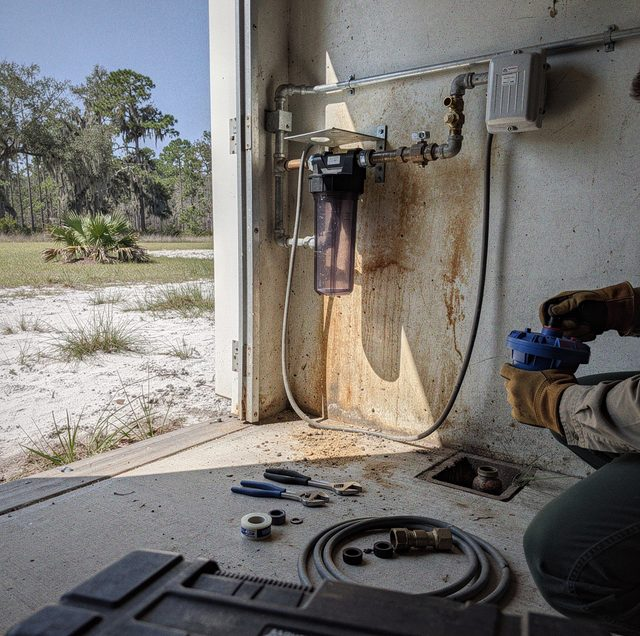
Clean filters protect pumps, valves, water heaters, and plumbing by catching dirt and debris before they wreak havoc.
Keeping equipment in top shape can sometimes feel like juggling flaming torches while riding a unicycle—except instead of applause, a clogged system might bring leaks, breaks, or a skyrocketing water bill. Sediment filters, often overlooked, act as unsung heroes in the fight against premature equipment failure. Clean filters protect pumps, valves, water heaters, and plumbing by catching dirt and debris before they wreak havoc.
Sediment filter replacement plays a starring role in extending the life of your water system’s components. Professionals bring the right tools, knowledge, and timing to keep filters fresh and systems running smoothly. Without them, sediment piles up, turning everyday equipment into cranky, inefficient machines that age faster than their warranty covers.
How Sediment Harms Equipment Over Time
Sediment includes a mix of dirt, sand, rust flakes, and organic particles that water picks up from wells, pipes, or surface sources. When sediment slips past filters or when filters become clogged, the damage begins. Abrasive particles grind against pump impellers, scratch valve seats, and accumulate inside water heaters, reducing efficiency.
Sediment buildup can cause blockages that restrict flow, forcing pumps to work harder and valves to operate under strain. Overworked equipment uses more energy and runs hotter, accelerating wear and increasing the risk of costly breakdowns.
Worn seals and gaskets often result from sediment damage. When grit enters these sensitive parts, leaks follow. A small leak today can grow into a flood tomorrow, not to mention the headaches and repair bills.
Sediment filters act like diligent bouncers at the water party, keeping rough customers out and protecting the equipment inside.
Why Clean Sediment Filters Matter for Longevity
Clean filters remove sediment effectively, reducing wear and tear on every component downstream. As sediment accumulates in a filter, it restricts water flow, increasing pressure and forcing the equipment to operate as if it’s running uphill.
Replacing filters before they become clogged maintains steady flow and pressure, preventing pumps from overexerting themselves. Clear water flowing freely means valves open smoothly and heaters heat efficiently.
Maintenance that includes sediment filter replacement acts as preventative care, much like an oil change for a car. It helps equipment run longer, quieter, and with fewer surprises.
Signs That Sediment Filters Need Replacement
Noticing lower water pressure or cloudy water might indicate that filters have reached their sediment capacity. Pumps cycling more often or unusual noises from valves suggest strain caused by sediment buildup.
If water appliances like dishwashers or washing machines start showing signs of wear or reduced efficiency, sediment could be at play behind the scenes.
Discolored water stains or gritty residue around faucets sometimes point to sediment slipping past filters or filters failing to do their job.
Regular professional inspections spot these signs early and recommend replacing the sediment filter before problems snowball.
Professional Approach to Sediment Filter Replacement
Professionals evaluate water quality and system needs before recommending filter changes tailored to your setup. They inspect filter housings for damage or leaks, select filters with the right micron rating, and perform replacement with minimal disruption.
Technicians flush systems to clear trapped sediment and test water flow and pressure after installation. Their experience prevents common mistakes, such as using incompatible filters or skipping vital cleaning steps.
A professional service guarantees filters operate at peak efficiency, protecting expensive equipment from sediment-related damage.
The Domino Effect of Neglected Filters
Skipping sediment filter replacement creates a ripple effect of problems. Clogged filters increase strain on pumps, raising energy costs and risk of burnout. Sediment can sneak into valves and appliances, causing corrosion, blockages, or mechanical failures.
Unfiltered sediment in water heaters forms scale deposits that reduce heat transfer, increasing utility bills and shortening the lifespan of the water heater. Plumbing can develop rust-colored stains, leaks, or low flow from sediment accumulation.
Equipment repairs and replacements add up quickly, turning a small maintenance task into a costly ordeal.
The Impact of Sediment on Water Quality and Equipment Health
Sediment doesn’t just harm equipment; it also affects water clarity, taste, and safety. Dirty water can look cloudy, sometimes carry unpleasant flavors, and harbor bacteria hiding in sediment particles.
A clean sediment filter keeps water sparkling and safe while safeguarding pumps and appliances.
Routine replacement maintains water quality, protects health, and extends equipment life—talk about multitasking.
How Regular Maintenance Saves Time and Money
Scheduling sediment filter replacement as part of routine maintenance avoids emergency breakdowns and surprise expenses. Regular service visits give technicians the chance to inspect the entire system and address minor concerns before they escalate.
Proactive care means fewer service calls, longer intervals between major repairs, and more consistent water quality. Energy savings from efficient equipment operation also put a smile on utility bills.
It may feel easier to delay filter changes, but the cost of waiting usually outweighs the time and money invested in regular maintenance.
Choosing the Right Filter for Maximum Protection
Filters come with varying micron ratings, materials, and designs. Professionals select filters that balance sediment removal with flow rates and pressure demands specific to each system.
Using the wrong filter can cause premature clogging or allow sediment through, defeating the purpose entirely.
Experts match filters to water quality and equipment sensitivity, tailoring protection that keeps everything running like clockwork.
Beyond Filters: Protecting the Whole Water System
Sediment filters serve as a crucial line of defense, but comprehensive water system care also includes pump servicing, valve inspection, and plumbing checks.
Technicians consider the entire network when recommending maintenance, knowing that a chain is only as strong as its weakest link.
Proper filter maintenance complements other services, together maximizing equipment longevity and performance.
Avoiding DIY Mishaps with Professional Help
Swapping sediment filters might look simple, but errors can slip in without proper training and tools. Improper installation causes leaks or poor filtration, while the wrong filter size reduces effectiveness.
Professionals perform replacements cleanly and efficiently, minimizing downtime and preventing damage.
Trusting experts protects water quality, equipment health, and peace of mind.
How Clean Filters Support Sustainable Water Use
Efficient equipment uses less energy and water, contributing to environmental conservation. Clean sediment filters reduce unnecessary strain on pumps and heaters, lowering resource consumption.
Maintaining filters regularly aligns with green practices and responsible home or farm management.
Professionals help balance system efficiency with sustainability goals.
The Clear Difference Clean Filters Make
Fresh sediment filters transform water systems from sluggish and strained to smooth and efficient. Equipment runs cooler, quieter, and longer without battling sediment buildup.
Quality professional service provides more than a filter swap—it offers a partnership in protecting your investment and comfort.
Keeping filters clean means better water quality, lower costs, and equipment that lasts the long haul.
Regular sediment filter replacement is a cornerstone of equipment longevity, turning everyday water into a reliable, satisfying source.
Residents of Lake Butler and surrounding areas trust Perry-Pump Repair Services for professional well inspections, sediment filter replacement, constant pressure systems, and workhorse solar pumps. We have over 50 years of experience providing top class pump repair and well solutions. Count on us to handle any well or pump problem efficiently. Contact us for free pump repair and low-pressure estimates.