
Enhancing Performance with Timely Jet Pump Service
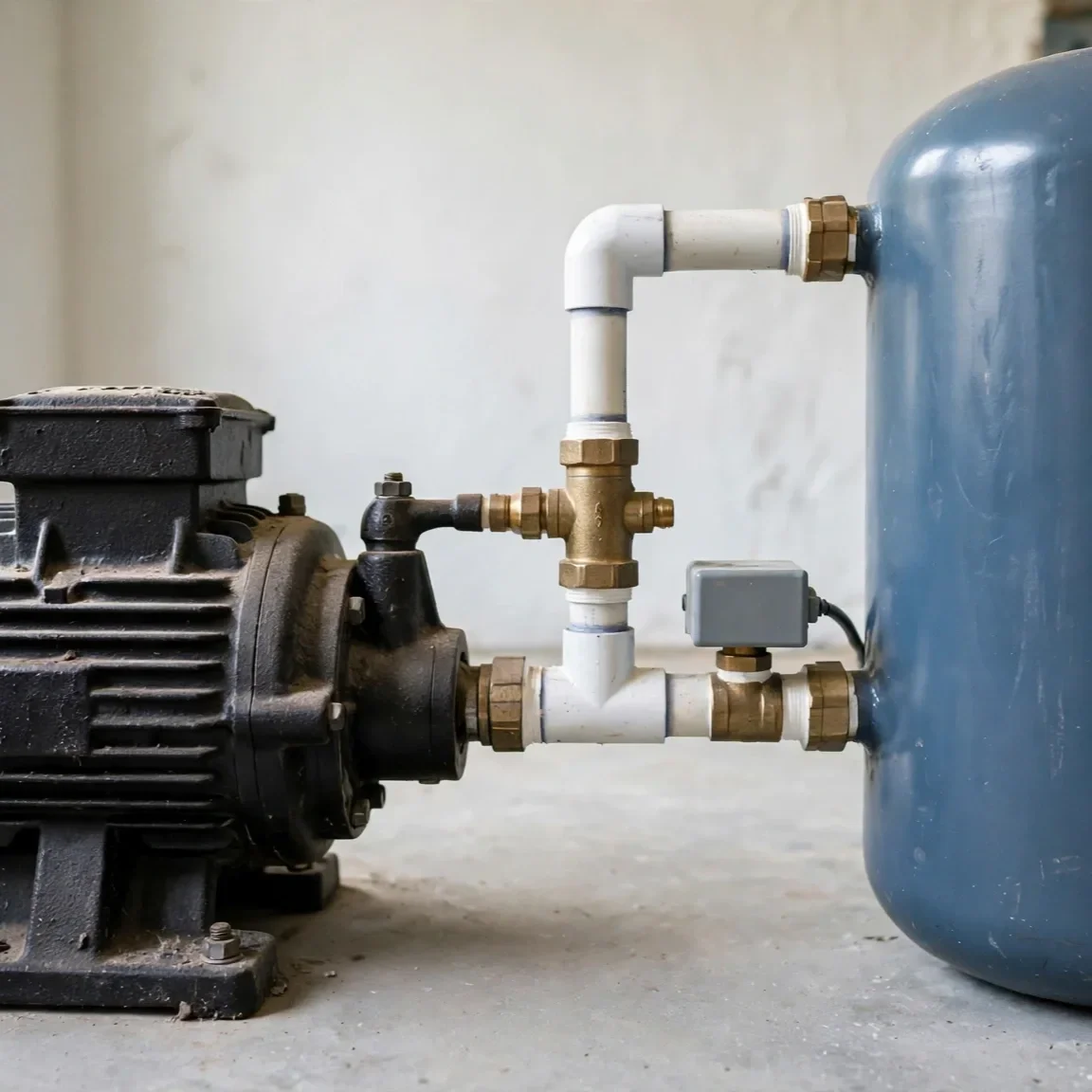
Timely jet pump service acts like a personal trainer for these pumps, keeping them fit, healthy, and performing at their peak.
Jet pumps work hard behind the scenes, tirelessly moving water to homes, farms, and businesses. While often overlooked, these mechanical workhorses play an essential role in delivering water where and when it’s needed. Without them, daily routines slow to a frustrating crawl, and chores become little battles against dry taps. Timely jet pump service acts like a personal trainer for these pumps, keeping them fit, healthy, and performing at their peak.
When jet pumps fall behind on maintenance, they tend to rebel in creative ways—sputtering, losing pressure, or making noises that sound like an angry raccoon trapped in the basement. Preventing these breakdowns means stepping in early, spotting subtle warning signs, and addressing minor issues before they turn into costly repairs. Professional service brings peace of mind and saves money by extending pump life and boosting efficiency.
The Art of Keeping Prime
A jet pump’s ability to prime properly forms the foundation for effective water delivery. Prime means the pump and suction line hold water, ready to be pushed through the system. Losing prime causes the pump to run dry, overheat, and quickly degrade. Air sneaking into the suction line, faulty check valves, or worn pipe fittings often cause prime loss.
Technicians inspect the suction line for cracks or loose joints that could allow air to enter. They test check valves to make sure they’re holding water in place and not letting it escape or allowing air to sneak in. Re-priming the system after repairs brings the pump back to life and prevents further damage that happens when the pump runs without water.
When prime slips away, so does your water. Professionals catch these issues early so the pump stays ready for action.
Pressure Switches and Tanks: The Dynamic Duo
Jet pumps rely on pressure switches to know when to turn on and off, and pressure tanks to maintain a steady flow and reduce pump cycling. If either component fails or falls out of adjustment, the system starts acting up. The pump might run too frequently or for too short a time, causing wear that shortens its lifespan.
During routine service, pressure switches are thoroughly checked. Technicians measure pressure cut-in and cut-out points, adjust settings as necessary, and replace faulty switches. Pressure tanks get inspected for proper air charge. Tanks with waterlogged or damaged bladders cause erratic pressure swings, leading to premature pump fatigue.
Balanced pressure means smooth water flow, fewer pump cycles, and a quieter, longer-lasting system. Small adjustments here make a huge difference.
Clearing Away the Blockages
Water isn’t always pristine, and neither are the pumps that push it. Dirt, sand, debris, and mineral deposits build up over time, particularly in the impeller, suction line, and strainers. These blockages choke water flow, forcing the pump to work harder and wear faster.
Jet pump service involves cleaning strainers and filters, flushing sediment from the system, and removing the impeller for thorough inspection and cleaning. If parts have worn beyond repair due to abrasive particles, technicians replace them to restore smooth flow.
The difference between a clogged, wheezing pump and a clean, efficient one is dramatic. When maintenance clears away buildup, water flows freely, and the pump’s workload lightens considerably.
Electric Motor Maintenance Keeps Things Moving
Electric motors power jet pumps, and they require attention to electrical connections, capacitors, and overall health. Loose wires or corroded terminals cause intermittent operation or failure to start. Failed start capacitors leave motors humming without turning on. These issues lead to frequent service calls and frustration.
During service, technicians test voltage, inspect wiring integrity, and replace capacitors when signs of wear or damage appear. Clean connections and sound electrical components reduce the risk of sudden breakdowns and electrical hazards.
A healthy motor means the pump starts reliably and runs smoothly—no awkward humming or mysterious outages in the middle of watering the garden.
Seal the Deal on Leaks
Mechanical seals in jet pumps keep water contained, preventing leaks that can cause corrosion, damage, and safety hazards. A worn or damaged seal can lead to drips, puddles, and, in some cases, full-blown water damage to motor components.
Routine maintenance includes inspecting seals, gaskets, and housing for signs of wear or leakage. Replacing seals early prevents leaks from escalating and safeguards the pump’s internal parts.
Leaky pumps make a mess and waste water. Seal maintenance preserves the system’s integrity and protects your investment.
Bearing Up Under Pressure
Bearings keep pump shafts spinning smoothly. When bearings wear out or dry up, noises like grinding, rattling, or squealing emerge. Ignoring these sounds invites motor damage and unexpected failure.
Lubricating or replacing bearings during maintenance brings silence back and reduces friction that wears down parts. Bearing care extends motor life and keeps the pump running efficiently.
A noisy pump demands attention, but a quiet pump runs longer and better.
Adjusting to Growing Water Demands
Families grow, gardens expand, or irrigation needs increase. The original jet pump may no longer meet rising water demands. When a pump struggles to keep up, it runs hotter, cycles more frequently, and wears faster.
Professional service includes evaluating current water needs compared to pump capacity. Technicians recommend upgrades such as larger pumps, additional tanks, or improvements to the control system. Adapting the system keeps water flowing reliably without overworking equipment.
A pump fit for its workload lasts longer and performs better under pressure.
Proactive Service Saves Big Bucks
Scheduling regular jet pump service prevents small issues from exploding into emergency repairs. Like changing oil in a car or servicing an HVAC system, routine maintenance keeps everything running smoothly.
Professional technicians approach jet pump maintenance with a mix of technical skill and problem-solving flair. They diagnose quietly brewing problems and handle repairs efficiently. Skipping maintenance means risking pump failure at the worst possible moment—holiday mornings, weekend barbecues, or during that crucial garden watering window.
Avoiding these crises preserves peace of mind and saves money in the long haul.
A Professional Touch Makes All the Difference
Jet pump repair and maintenance require specialized knowledge and tools. Attempting DIY fixes often leads to partial repairs or additional damage. Calling in experts brings experience, safety, and a level of care that DIY just can’t match.
Technicians arrive equipped to thoroughly diagnose and fix problems, explaining repairs in relatable terms. Their friendly attitude eases stress and helps homeowners feel confident about their water systems.
A well-maintained jet pump functions like a reliable friend, quietly supporting daily life without fuss or drama.
Reliable Water Flow: The Ultimate Reward
After professional jet pump service, the difference becomes clear. Water flows steadily, pressure stabilizes, and annoying noises vanish. The pump’s energy use drops, and the system feels healthier overall.
Water delivery might seem simple, but it depends on complex, coordinated mechanics beneath the surface. Timely maintenance keeps all parts working together in harmony, making everyday tasks smoother.
Whether filling a glass, watering a lawn, or supporting a whole house, a well-serviced jet pump delivers. It makes the small moments easier—and the big jobs possible.
Taking care of a jet pump means taking care of the rhythm of daily life. With expert service on your side, you can trust the water will flow when you need it, just the way it should.
Perry-Pump Repair Services is a water well repair company owned by a third-generation water specialist and manned by highly trained technicians who diagnose and repair low-pressure, no water, air on lines, and more. We offer commercial and residential customers in Lake Butler and surrounding areas jet pump repair, submersible pump repair, booster pump repair, and more. Give us a call for more information