
Maintaining Healthy Ponds with Reliable Pump Repairs
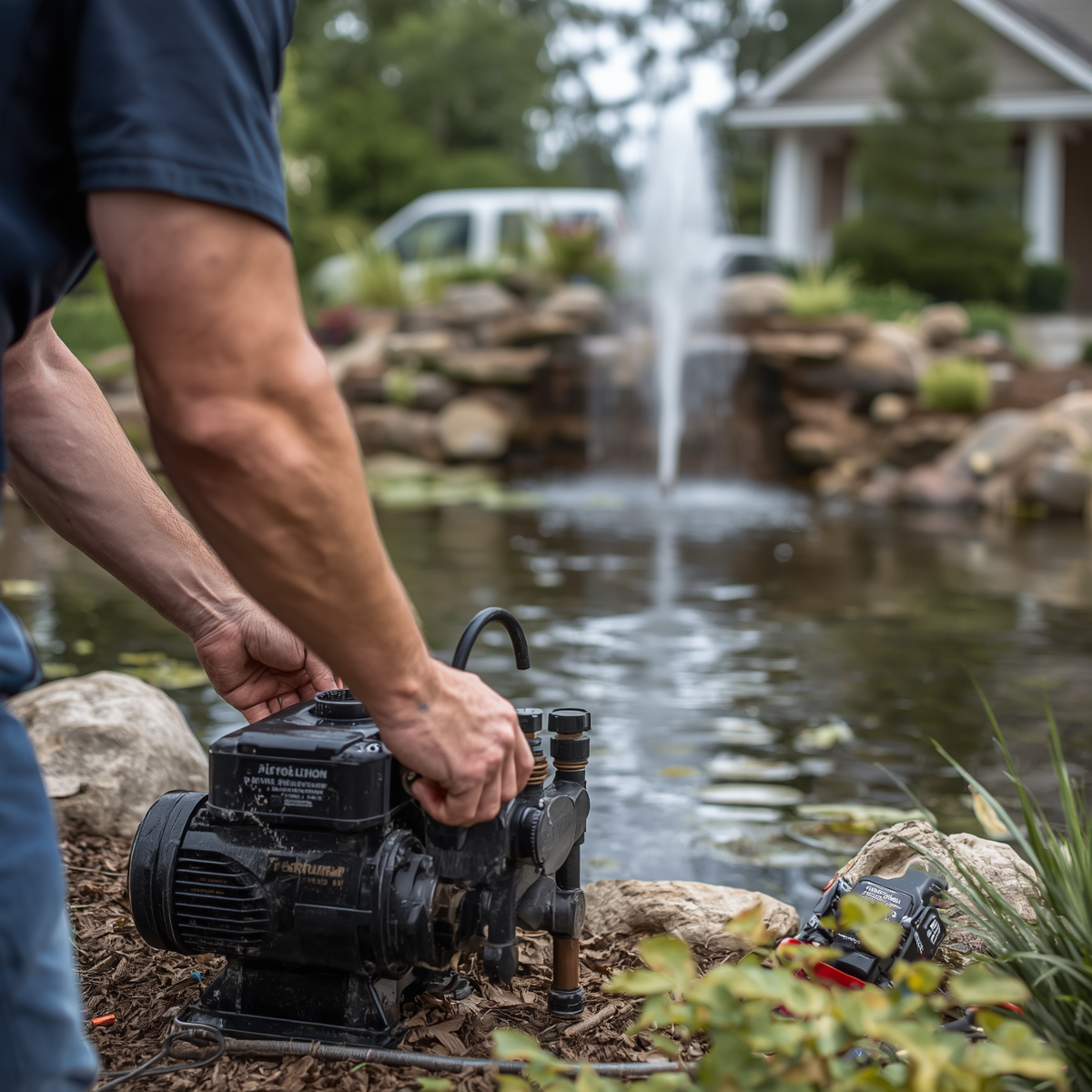
Pumps keep the water circulating, oxygen levels up, and algae tantrums under control.
A pond without a working pump is a bit like a party without music—everything’s still technically happening, but the vibe suffers. Pumps keep the water circulating, oxygen levels up, and algae tantrums under control. When they go quiet, things can get murky—literally. Clear water turns cloudy, fish start looking at you sideways, and before long, the whole pond starts acting like it’s in a midlife crisis. That’s where professional pond pump repair makes all the difference.
Keeping a pond healthy isn’t just about aesthetics. It’s about balance. Pumps are the quiet heroes of that balance, working behind the scenes to create a stable ecosystem. When they falter, the entire system drifts off course. Professionals who specialize in pond pump repair don’t just replace a part or two—they restore the flow that keeps everything in sync.
Why Pond Pumps Matter More Than They Let On
Most people admire a pond for the reflection, the lily pads, or maybe the friendly goldfish that follows them around. But what they don’t see is the pump making it all possible. Pumps circulate water, preventing stagnation. They help oxygenate the water for fish and plants. They also push water through filtration systems that trap debris, algae, and other unwanted floaters.
Without a working pump, the pond starts to act more like a puddle. Debris settles, oxygen levels drop, and the water temperature starts fluctuating wildly. For fish, that’s like living in a hot tub one day and a freezer the next. For plants, it means limited nutrients. And for humans, it often means grabbing a net and wondering why the water smells like the inside of a gym bag.
When Circulation Stops, Problems Bloom
It doesn’t take long for issues to show up when a pump goes offline. Algae sees the opportunity and throws a green party no one wants to attend. Mosquitoes turn the surface into their personal real estate development. Fish come up gasping, and the clarity starts fading like an old photo left in the sun.
Professionals who handle pond pump repair understand how quickly a small disruption can lead to a big imbalance. Their job isn’t just to get water moving again—it’s to assess how that lack of movement affected the rest of the system. Pumps don’t operate in isolation. They’re tied to filters, UV clarifiers, skimmers, and the overall flow design. A good repair job looks at the whole picture, not just the pump.
Signs That the Pump Might Be Plotting a Rebellion
Sometimes pumps don’t quit outright—they start with subtle hints. Reduced water flow is a big one. If the waterfall starts looking more like a trickle or the surface gets too still, the pump might be losing power. Unusual noises like grinding, rattling, or that special hum of doom mean something’s off internally. And if there’s no sound at all, it may have decided to retire early without giving two weeks’ notice.
Professional repair technicians know how to interpret those signals. Rather than relying on guesswork or YouTube tutorials, they run performance tests, check voltage, and inspect the impeller and intake for clogs. Sometimes it’s a blockage caused by pond sludge or a curious frog that wandered a bit too far. Other times it’s a worn motor or faulty wiring. Either way, pinpointing the issue early keeps repairs simpler—and your pond happier.
The Value of Professional Repairs Over Temporary Fixes
There’s a certain temptation to poke around with a screwdriver and try to revive a sluggish pump using elbow grease and hope. But pond pumps involve electrical components, water pressure systems, and parts that wear out in sneaky ways. A quick fix might get things spinning temporarily, but it won’t address the root problem.
Professional repairs don’t just swap out parts; they restore functionality based on performance standards. That means checking flow rates, recalibrating pressure, and making sure the repaired pump integrates smoothly with filtration and aeration systems. Professionals also carry replacement parts designed for specific brands and models, avoiding those awkward moments where a part almost fits—but not quite.
How Seasonal Demands Affect Pump Performance
Pond pumps work differently across seasons. In summer, they battle algae and maintain stable oxygen levels despite rising temperatures. In the fall, they help remove leaves and organic matter before they sink and decay. Winter brings freezing conditions that can damage exposed components. Spring is the cleanup crew, moving stagnant water and helping the pond “wake up.”
Each season brings unique stressors that affect pump wear and performance. Professionals consider those seasonal cycles when repairing or servicing pumps. For example, winterizing a pond might include removing or insulating the pump to prevent freezing. Spring service might involve flushing the lines, cleaning impellers, and recalibrating the flow. Ignoring those seasonal shifts is a fast track to pump burnout.
Why Pump Sizing and Flow Rate Matter in Long-Term Repairs
Not all pumps are created equal. A tiny pump might work for a decorative fountain, but can’t handle a half-acre koi pond. Repairing a pump that’s been struggling under the weight of an oversized workload won’t solve much. It’ll just break again—sooner and louder.
Professionals take flow rate seriously. They calculate gallons per hour based on pond size, elevation changes, and the types of filters and water features in use. Repairing or replacing with the right-sized pump means the system works more efficiently and doesn’t overwork itself into an early grave.
When Filtration and Pumps Fall Out of Sync
A working pump means nothing if the filtration system isn’t pulling its weight. Clogged filters can restrict flow, damage the motor, or cause water to bypass filtration altogether. Professional pump repair services also include evaluating the entire system—skimmers, pre-filters, biological filters, and even UV clarifiers.
Balancing the system doesn’t mean throwing in the biggest pump available and hoping for the best. Professionals look for synergy—matching pump output with filter capacity and pipe diameter. A well-matched system creates consistent circulation, balanced oxygenation, and water clarity that would make a mountain spring jealous.
How Reliable Repairs Save Fish from Stress
Fish aren’t subtle when they’re unhappy. They float weirdly, hide more than usual, or start acting like they just watched a horror movie. Pump failure leads to low oxygen, temperature swings, and a rise in harmful bacteria—all of which stress aquatic life.
A stressed fish is a sick fish. Professional pump repairs stabilize the environment so your pond residents don’t have to adapt to chaos every other week. The sooner a faulty pump gets back to full function, the sooner the fish stop staring at you like you personally unplugged their air supply.
The Role of Maintenance in Preventing Future Repairs
Every pump has a lifespan, but with professional maintenance, it can live a long, productive life. Regular service—such as impeller cleaning, intake flushing, and voltage checks—keeps minor issues from snowballing into major repairs. Professionals offer maintenance plans that treat the pond system like the ecosystem it is, not just a backyard decoration.
Preventive care means fewer emergencies, longer-lasting equipment, and more weekends spent enjoying the pond instead of calling for help. A well-maintained pump doesn’t just push water—it powers a balanced, beautiful, and stable habitat.
When Replacement Becomes the Smarter Option
Sometimes repair isn’t the right call. Maybe the motor’s fried, the seals are gone, or the replacement parts cost more than a new unit. Professionals know when to say, “Enough is enough,” and recommend a replacement pump that matches your pond’s needs.
Upgrading doesn’t mean overhauling the entire setup. A well-chosen replacement slots in with minimal disruption, using modern, energy-efficient components that save on operating costs while improving performance. Professionals handle sizing, installation, and integration so you don’t wind up with a pump that roars like a jet engine but moves less water than a garden hose.
Healthy Ponds Depend on Consistent Flow
Water movement isn’t just about appearances. It’s about oxygen, clarity, and stability. When pond pumps break down, everything suffers—fish, plants, water quality, and even the smell wafting across the patio.
Professionals don’t just repair pumps—they bring ponds back to life. With the right tools, training, and experience, they solve the problem at its source and restore the flow that keeps everything thriving. Whether your pump’s whispering warnings or has gone completely silent, there’s a fix—and a professional ready to dive in (figuratively, not always literally).
Get high-quality, reliable pump repair and well services in Lake Butler and surrounding areas with Perry-Pump Repair Services. We provide honest assessments and transparent pricing for jet pump repair, submersible pump repair, booster pump repair, irrigation pump repair, pond pump repair, and wellhead extension and repair. We are available 24/7. Call to learn more.