
Troubleshooting Submersible Pump Performance Problems
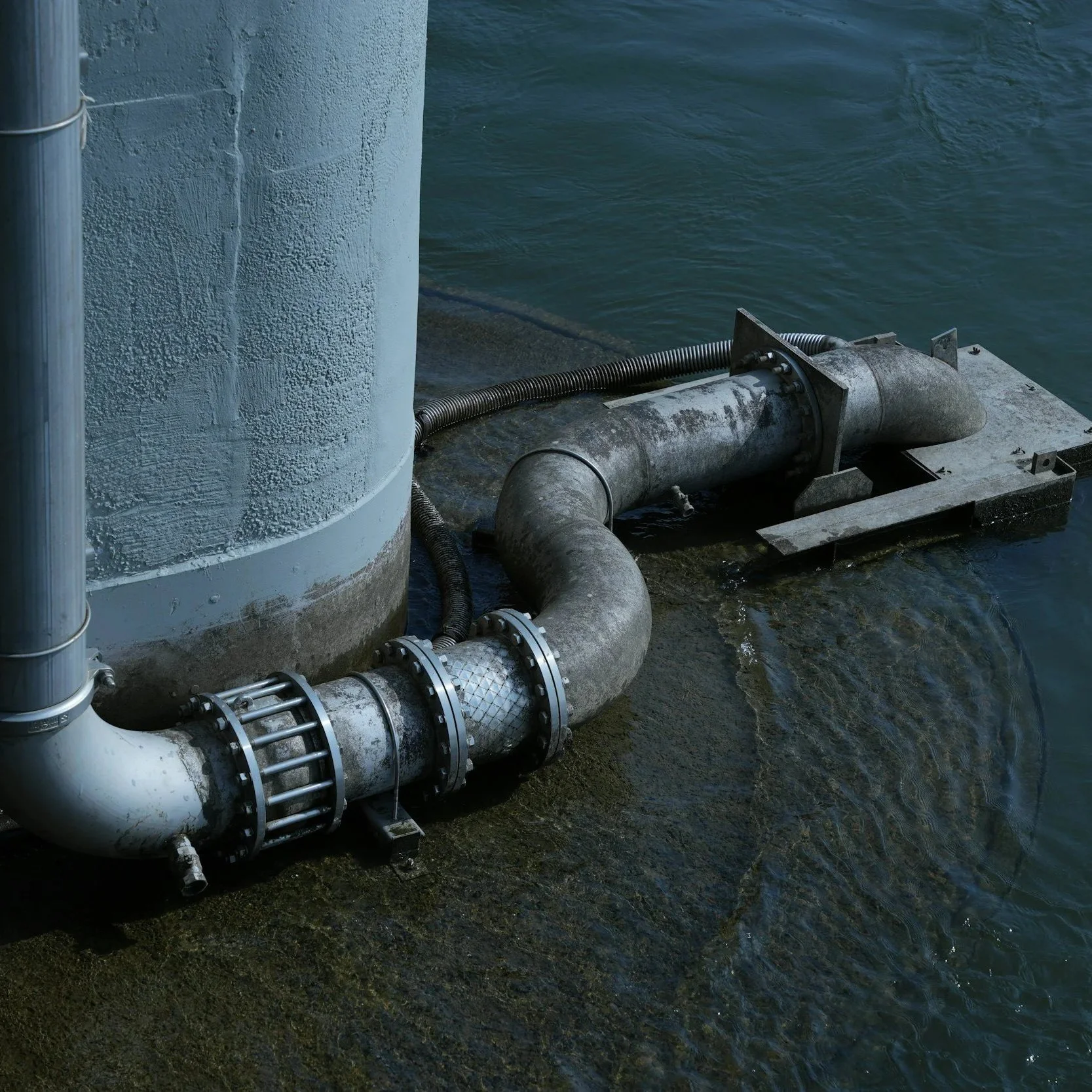
Troubleshooting submersible pump performance problems demands a mix of technical savvy, a keen eye, and a touch of humor, because even the most stubborn pump issues have a solution waiting beneath the waves.
Submersible pumps quietly power many water systems, often working deep underwater with little fanfare. When they run smoothly, water flows effortlessly to taps, irrigation systems, and industrial processes. When performance dips, frustration quickly bubbles to the surface. Troubleshooting submersible pump performance problems demands a mix of technical savvy, a keen eye, and a touch of humor, because even the most stubborn pump issues have a solution waiting beneath the waves.
In homes, farms, construction sites, and commercial facilities, submersible pumps handle demanding workloads day after day. They operate out of sight, submerged in wells, basins, or tanks, which means small problems can go unnoticed until the symptoms become impossible to ignore. Low water pressure, fluctuating flow, odd noises, or sudden shutdowns often signal that something below the surface needs attention. Understanding where to look first can save time, money, and unnecessary stress.
Detecting Power Supply Woes
When a submersible pump refuses to start or cuts out unexpectedly, electrical supply issues often lead the suspect list. Loose wiring, blown fuses, voltage drops, or faulty breakers can leave pumps powerless and users feeling abandoned by their trusty water supplier. Because these systems rely on consistent voltage to perform properly, even minor electrical irregularities can disrupt operation.
Electricians and pump specialists inspect wiring connections with precision, testing voltage levels and continuity to uncover hidden shorts or interruptions. They examine junction boxes for corrosion, rodent damage, or moisture intrusion that may interfere with current flow. Control panels also receive thorough checks to diagnose relay or switch malfunctions that prevent proper startup sequences. Repairing or replacing damaged electrical components restores the vital energy flow a pump needs to perform its underwater dance.
Ignoring power problems invites repeated failures and risks damage to motor windings, making prompt professional intervention a smart move. In some cases, the issue may not lie within the pump itself but in the broader electrical system, such as undersized wiring or an overloaded circuit. Addressing these foundational concerns verifies that the pump receives stable power and operates as intended.
Motor Trouble: When the Heart Skips a Beat
The motor within a submersible pump serves as its beating heart, driving water through pipes with relentless energy. Signs of motor distress might include unusual humming or grinding noises, overheating, tripped breakers, or complete refusal to run. Because the motor is sealed within the pump assembly, diagnosing issues requires careful testing and experience.
Technicians measure insulation resistance and examine the motor for moisture intrusion, corrosion, or physical damage. Over time, worn insulation can allow electrical leakage, reducing efficiency and increasing the risk of short circuits. Thermal protection devices designed to prevent overheating may trip repeatedly if the motor struggles, signaling underlying electrical or mechanical faults that demand attention.
Motor repairs range from winding refurbishing to full replacements. Professionals tailor solutions based on severity and cost-effectiveness, aiming for long-term reliability rather than quick fixes. In some situations, replacing the motor entirely proves more economical than attempting extensive repairs on aging equipment. A properly functioning motor restores consistent pressure and flow, giving the entire system renewed strength.
Seals and Bearings: The Unsung Heroes
Leaky seals and worn bearings often fly under the radar, but their condition significantly impacts pump health. Seals keep water from infiltrating sensitive electrical components, while bearings allow smooth rotation of moving parts. When either begins to fail, performance suffers, and larger problems loom.
Water leaking past faulty seals threatens motor windings and internal electronics. Even a small breach can introduce moisture, leading to corrosion or short circuits. Replacing seals with materials designed for submersible environments blocks water intrusion and protects delicate components. Specialists select high-quality sealing materials suited to the specific water conditions and operating pressures of the system.
Bearings, though small, carry significant responsibility. Worn bearings create friction, increase energy consumption, and generate noise or vibration. Over time, excessive vibration can damage other components, including the impeller and shaft. Bearing replacements reduce noise and allow smooth rotation, improving efficiency and extending pump life. Addressing these small parts with big impact prevents expensive damage down the line.
Impeller Blockages and Damage
The impeller moves water through the pump with speed and precision. Its carefully designed blades create the force necessary to lift water from wells or basins to the surface. Sediment buildup, debris, or corrosion can clog or damage these critical components, reducing flow rates or causing vibrations that ripple through the entire system.
Professional cleaning uses specialized equipment to remove stubborn deposits without damaging delicate blades. In wells with high sand content or in wastewater applications, debris accumulation happens gradually, slowly choking performance. When impellers show signs of cracks, pitting, or wear, replacement parts fit like a glove, restoring peak performance and ensuring balanced rotation.
Handling impeller issues promptly keeps water moving smoothly and avoids extra stress on the motor. A restricted impeller forces the motor to work harder, increasing heat and energy consumption. By maintaining clear, intact impeller blades, technicians help the pump operate efficiently and reliably under demanding conditions.
Electrical Controls and Circuitry
Control boxes and circuit boards manage pump operation, activating start switches and monitoring system status. These components act as the system's brain, coordinating power delivery and responding to pressure or level sensors. Exposure to moisture, dust, or insects can lead to corrosion, loose contacts, or faulty sensors, all of which can interfere with smooth operation.
Technicians perform careful cleaning, repair, or component swapping to revive control units. They inspect capacitors, relays, and contactors for wear or failure, making sure that each element responds correctly to system demands. Modernizing control systems can deliver additional benefits, including improved diagnostics, remote monitoring, and energy savings through smarter cycling patterns.
Reliable electrical controls reduce pump downtime and extend system lifespan. When controls function accurately, the pump starts and stops at appropriate intervals, preventing unnecessary strain. Upgraded circuitry also helps detect emerging problems earlier, enabling preventive action before a full breakdown.
Overheating and Thermal Switch Activation
Thermal switches protect pumps by cutting power when temperatures rise too high. While this safeguard prevents catastrophic damage, frequent trips hint at underlying trouble. Overheating often stems from running dry, clogged intakes, restricted discharge lines, or electrical malfunctions that increase resistance and heat buildup.
Technicians identify and address root causes, clearing obstructions or fixing wiring to prevent thermal switches from nuisance tripping. They may also evaluate whether the pump is properly sized for its application. An undersized pump forced to operate continuously under heavy demand generates excessive heat, shortening its lifespan.
Proper motor cooling maintains steady operation and prevents premature failure. Securing adequate water flow around the pump body helps dissipate heat effectively. By promptly resolving overheating issues, operators protect their investment and maintain dependable water delivery.
Water Quality Challenges
The nature of water, whether hard, sandy, acidic, or mineral-rich, affects pump performance and durability. Particles can clog intakes and abrade moving parts, while minerals cause corrosion and scaling that narrow internal passages. Over time, these factors reduce efficiency and increase maintenance needs.
Experts analyze water conditions and recommend filtration or treatment options tailored to the environment. Installing intake screens, sediment filters, or water softening systems can dramatically improve pump longevity. Selecting pumps and parts made from corrosion-resistant materials matches the equipment to its surroundings for longer-lasting results.
By accounting for water quality, operators move from reactive repairs to proactive protection. Matching the pump to the specific characteristics of the water source ensures smoother performance and fewer unexpected breakdowns.
Upgrading Aging Pumps for Better Performance
Pumps that worked well years ago might struggle to meet today's demands. Increased household water usage, expanded irrigation systems, or added industrial processes can push older units beyond their intended capacity. As efficiency declines, energy bills creep upward, and performance becomes inconsistent.
Professional evaluations help determine whether upgrading to newer pumps or adding variable speed drives improves performance and reduces operating costs. Modern pumps offer improved motor designs, better sealing technology, and smarter control options that adapt to changing water needs. Variable speed systems adjust output based on demand, reducing wear and minimizing energy waste.
Investing in updated equipment often pays off through lower maintenance costs and improved reliability. Instead of repeatedly repairing aging components, upgrading offers a fresh start with technology built to meet current expectations.
Preventive Maintenance: The Best Troubleshooting Tool
Scheduled inspections and tune-ups catch small problems before they grow into disruptive failures. Routine maintenance includes cleaning, lubrication where applicable, electrical checks, pressure testing, and component inspections. Even simple tasks such as verifying proper amperage draw can reveal emerging motor issues.
Maintenance visits reduce emergency repairs and extend pump life, much as regular oil changes keep a car humming. Technicians document performance trends over time, identifying gradual changes that signal wear. Customized maintenance plans suit specific water systems and budgets, making preventive care convenient and effective.
By treating maintenance as an investment rather than an expense, operators maintain consistent water flow and avoid the stress of sudden outages. A well-cared-for submersible pump rewards attention with dependable service year after year.
Trusting Professionals for Effective Repairs
Submersible pump repair requires specialized knowledge and equipment. Professionals navigate complex electrical systems, motor internals, and underwater seals with practiced skill. Their experience helps them diagnose issues quickly and recommend practical solutions tailored to each installation.
Clear communication helps clients understand problems and follow care recommendations, turning complicated fixes into manageable solutions. Rather than guessing at symptoms or attempting risky do-it-yourself repairs, working with trained specialists reduces downtime and protects valuable equipment. A friendly, knowledgeable approach makes all the difference when the pump acts up, and water access becomes uncertain.
Reliable submersible pump performance depends on attentive care and expert troubleshooting. With skilled professionals handling inspections, repairs, and upgrades, water continues to flow smoothly, keeping homes, farms, and industries running without a hitch. When problems surface, a systematic approach beneath the waves restores confidence and verifies that these hardworking pumps continue their quiet, essential service.
Get high-quality, reliable pump repair and well services in Lake Butler and surrounding areas with Perry-Pump Repair Services. We provide honest assessments and transparent pricing for jet pump repair, submersible pump repair, booster pump repair, irrigation pump repair, pond pump repair, and wellhead extension and repair. We are available 24/7. Call us to learn more.