
Addressing Structural Issues with Professional Wellhead Services
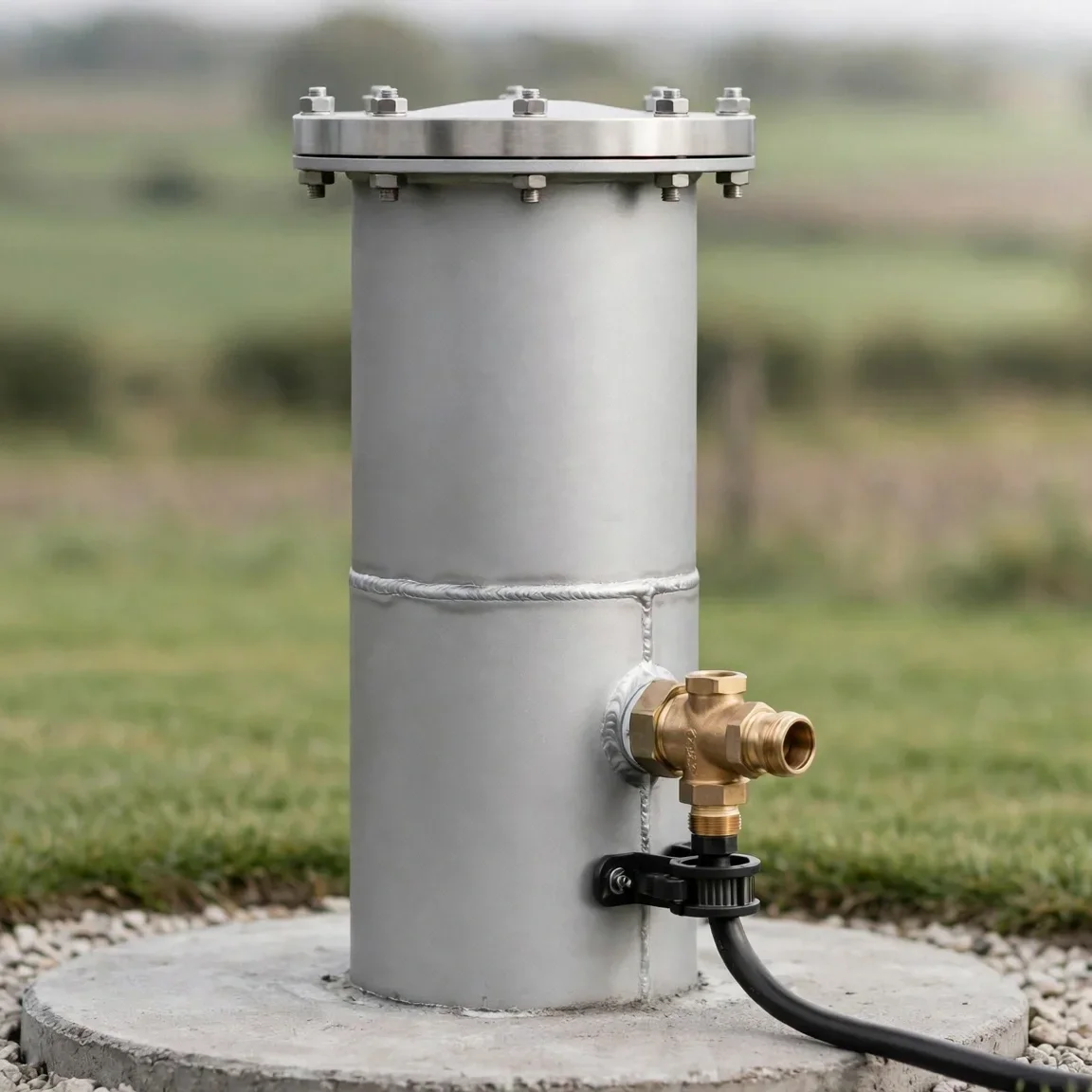
Professional wellhead extension and repair services solve those problems without drama, duct tape, or guessing games.
A wellhead might not look like much on the outside—just a pipe jutting from the ground—, but when structural issues creep in, things can spiral quickly. Cracks, corrosion, loose fittings, and buried access points are more than annoyances. They put water quality at risk, compromise system integrity, and make maintenance feel like spelunking without a flashlight. Professional wellhead extension and repair services solve those problems without drama, duct tape, or guessing games.
The wellhead's role in protecting the well system is critical. It serves as the gateway between the surface world and everything that happens underground. When professionals assess and address structural issues, they focus on safety, longevity, and, yes, making life a whole lot easier for everyone involved.
Why Structural Integrity Matters at the Wellhead
Water systems depend on every part doing its job, and the wellhead is no exception. A cracked or corroded casing lets in more than air—it invites bacteria, debris, and sometimes the occasional curious critter. Structural damage doesn't just stay at the surface. It works its way down, weakening seals, compromising pressure, and disrupting flow.
Professionals trained in wellhead extension and repair know that even small imperfections can lead to big consequences. A hairline crack might not seem urgent until test results reveal unexpected contamination levels. That's why structure isn't just about strength—it's about preventing problems before they float to the surface.
Common Structural Challenges That Call for Repair
Some wellhead issues are subtle; others scream for attention. Leaning casings, sunken pipes, missing caps, and visible rust are all signs that something's off. So is a wellhead hidden under a flower bed or buried so deep that service technicians need a shovel to say hello.
Damage from freeze-thaw cycles, impact from landscaping equipment, or gradual ground movement can shift parts out of alignment. Over time, seals wear down, metal fatigues, and old caps lose their grip. Professionals use specialized tools and a trained eye to identify these risks and correct them before they lead to expensive water treatment or full system replacement.
Wellhead Extensions Aren't Just About Convenience
Extending the wellhead above grade does more than make it easier to find. It lifts the entire entry point out of harm's way. Low-lying wellheads sit in puddles during rainy seasons. They tangle with roots and attract runoff from nearby driveways or lawns. An extension raises the bar—literally—helping the system breathe while keeping contaminants at bay.
Professionals evaluate site conditions, current elevation, and future maintenance access needs before recommending the right extension height and materials. Extensions aren't a one-size-fits-all situation. What works on a flat property in a dry climate may fall short in a flood-prone backyard with clay soil and an overzealous sprinkler system.
How Repairs Protect Water Quality
Wellhead repairs do more than stop leaks or seal up gaps. They protect your water from becoming a science experiment. Surface-level contamination from fertilizers, animal waste, or standing water sneaks in through any available opening. Repairing structural damage prevents that migration.
Sealing joints, replacing degraded components, and reinforcing casings help keep clean water in and contaminants out. Professionals use food-grade sealants, corrosion-resistant materials, and industry-standard fittings to make sure repairs last and perform well under pressure—literally.
Corrosion: The Silent Saboteur
Metal well casings have a tough job, and over time, rust does what rust does; it eats away quietly until structural strength takes a nosedive. You won't always spot corrosion from above ground, but professionals have tools and testing methods that reveal what's lurking under the surface.
Corroded metal weakens the casing wall, increases the risk of collapse, and can leach unwanted minerals into the water supply. Repairing or replacing corroded components restores confidence in both the structure and the safety of the water system. When needed, protective coatings or sleeves give the wellhead a second life without full replacement.
Why Surface Seals Matter So Much
A well's surface seal isn't just decorative. It plays a vital role in maintaining sanitary conditions around the well casing. If the seal cracks, shifts, or disintegrates, contaminants find an express lane into the aquifer. That's bad news for everyone who drinks, bathes, or cooks with the water.
Professionals repair and replace surface seals using precision equipment and high-quality materials. They check for settling around the base, signs of washout, or intruding vegetation—all of which compromise the seal's effectiveness. A good surface seal might be invisible to the average homeowner, but it's the unsung hero of well protection.
Frozen and Heaved? Time to Rebuild
Cold climates add an extra challenge. Frost heaving can shift the ground under a wellhead, lifting it, bending the casing, or cracking fittings. Once that movement starts, structural problems follow in short order. Water might begin to leak from fittings, caps could come loose, and pressure stability takes a hit.
Professionals in colder regions account for these seasonal shifts. Wellhead repairs often include re-stabilizing the base, replacing compromised pipe sections, and upgrading components to flex with the environment rather than fight it.
Access Isn't Just Nice—It's Necessary
When technicians need to test, repair, or inspect a well, they don't want to fight shrubs, crawl under decks, or jackhammer through concrete. Structural repairs often go hand in hand with clearing the access path and positioning the wellhead where it can be reached quickly and safely.
Relocating or raising the wellhead isn't as dramatic as it sounds. Professionals do it all the time. The goal is always the same: provide a stable, accessible location that allows for safe servicing without disrupting landscaping or your weekend plans.
A Closer Look at Materials That Last
Modern wellhead components aren't what they used to be—and that's a good thing. Where older systems relied heavily on steel or basic PVC, today's professionals use composite materials, heavy-duty poly, and corrosion-resistant stainless steel that stand up to both time and weather.
During repairs and extensions, professionals upgrade fittings, caps, and risers to meet today's performance standards. These improvements don't just look better—they reduce maintenance needs and improve long-term durability.
How Regular Maintenance Reduces Surprises
Nobody likes a midnight water emergency. One of the best defenses against surprise outages or contamination scares is regular professional inspection. Wellhead structural problems usually give off warning signs long before failure. The key is knowing what to look for and having the right tools to respond.
Professionals often spot early-stage cracks, seal failures, or ground movement that hint at future trouble. Repairing those problems early avoids water disruption, costly filtration fixes, and the awkward moment when a technician says, "You might want to stop drinking that."
When It's Time to Upgrade, Not Just Repair
Some wellheads have seen better decades. If repairs are stacking up or structural issues keep returning, it may be time to upgrade rather than patch. Professionals guide property owners through the upgrade process, evaluating current performance, water quality, and infrastructure needs.
Replacing aging components with modern, code-compliant materials isn't just about checking boxes. It's about securing a long-lasting water supply that works without constant babysitting. Professional upgrades bring peace of mind—and fewer surprises during inspections or home sales.
Water Quality Starts at the Surface
Clean water begins with a clean entry point. The wellhead is more than a pipe in the yard. It's the gatekeeper, the watchdog, the bouncer at the club door. Structural repairs and extensions reinforce that role, keeping contaminants out and safe water flowing in.
Professionals approach wellhead extension and repair with a blend of technical know-how and boots-on-the-ground experience. They understand that structural integrity means more than preventing leaks—it means protecting everything that flows downstream.
Wellhead maintenance doesn't get much glory, but it delivers results where it matters most. By addressing structural issues with the right tools, training, and perspective, professionals keep water safe, systems strong, and surprises to a minimum. And all without turning your backyard into a dig site or a science lab.
Perry-Pump Repair Services has been providing professional constant pressure systems, wellhead extension and repair, and workhorse solar pumps solutions to residents in Lake Butler and surrounding areas for years. Our aim is to ensure uninterrupted water supply. Call today.