
Sprinkler Zone Low Pressure or Pump Problem? Spot the Pattern
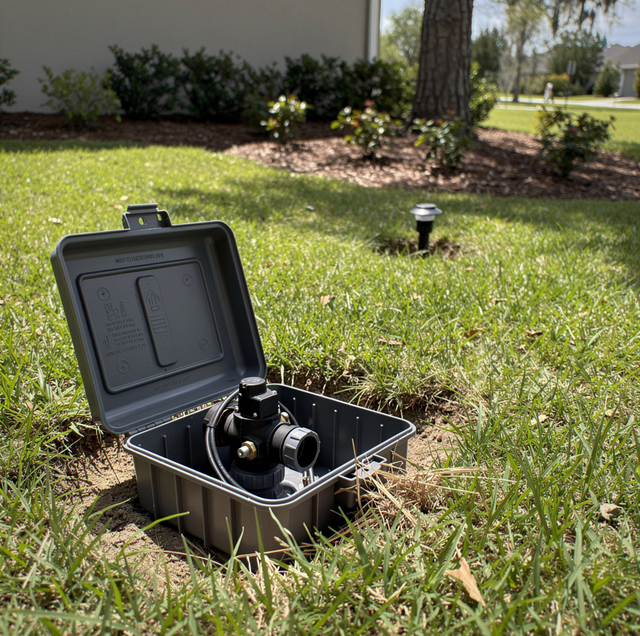
Two properties call about the same complaint in the same week: sprinklers in the back of the yard barely wet the grass while the ones up front look completely normal. On the first property, a single zone valve is half-clogged with grit, and once that valve gets attention, every zone performs the same as the others. On the second property, that valve is clean and swings freely. The far zone was always going to struggle, because the pump was sized for a smaller yard years ago and can't move enough volume all the way to the back corner now that the system has grown. Same complaint. Opposite cause. Sorting out which one you're looking at, before anyone opens anything up, comes down to reading the pattern the way it shows up across the whole system.
The Zone-Side Signature: One or Two Areas Fall Behind
A zone-side fault stays local: One zone, or maybe two that share a valve box, run weak or barely at all while every other zone on the property performs the way it always has. Run the good zones back to back, and they hold steady. Run the weak one, and it's obviously starved, even though nothing changed about the pump feeding all of them. That containment is the tell: whatever's wrong is downstream of the pump, sitting inside that one zone's own plumbing.
The far-versus-near pattern can belong here too: When only the zones farthest from the pump go weak while the near ones look fine, it's tempting to blame distance and stop looking. Sometimes that's right, but a stuck or sediment-fouled valve on just the far zone produces the exact same look, and it's a much smaller fix than anything involving the pump itself.
The Pump-Side Signature: Every Zone Loses Ground Together
A pump-side fault doesn't stay put: Every zone on the property runs a little weak, including the one closest to the pump, which should have the easiest time of all. There's no single zone you can point to and say "that one's the problem": the shortfall is spread evenly across the whole system, because the water leaving the pump is already under less pressure than the system was designed around.
Two mechanisms produce that flattened pattern most often: A worn impeller inside the pump housing loses its ability to build pressure up to design spec, so the pump still runs and still moves water; it just can't push it as hard as it used to. A pinhole leak on the suction side does something similar from the opposite direction: it lets air into the line the pump is trying to draw from, which the pump has to fight before it can build any pressure at all, and because the leak sits ahead of the pump, it's rarely visible from the surface.
Running each zone alone and comparing near and far heads is the fastest way a homeowner can sort the pattern before a technician arrives. Note which zones stay weak even running solo, not just when paired with another zone.
What Produces the Zone-Side Pattern
Two mechanisms account for most zone-side complaints, and both point at the valve, not the pump.
Sediment fouling: Fine sand and grit work their way into zone solenoid valves over time and settle inside the valve body, keeping the valve partly closed even when the controller signals it to open fully. The zone still runs; it just can't flow at full volume.
A valve stuck partway: a solenoid that's aging or has debris caught in its diaphragm can stall partway through its travel instead of fully seating, producing the same trickle as sediment fouling but from a mechanical fault rather than a clog. Either way, the pump upstream is doing its job correctly; the restriction sits inside that one zone.
What Produces the Pump-Side Pattern
Three separate faults land on the pump side, and each has a slightly different signature once you know to look for it.
Wear inside the pump itself: an impeller that's worn from years of moving sediment-laden well water gradually loses efficiency, so the drop in discharge pressure tends to show up as a slow decline over a season rather than an overnight failure.
An undersized pump: a pump that was adequate for the property's original zone count or acreage can fall behind once the system grows. More zones, a larger irrigated footprint, or added drip lines all raise the demand on a pump that was never rated for it. This looks almost identical to the far-zone valve pattern above, which is exactly why the two get confused.
Iron buildup in the discharge line: iron carried in well water plates out slowly along the inside of the discharge piping between the pump and the zone valves, narrowing the effective diameter of the line over months or years. Because it's gradual, it's often mistaken for the pump itself weakening rather than the path out of the pump getting narrower.
The Pattern That Fools Both Sides
Multi-zone overlap sits between the two and can mimic either signature depending on the day. When two or more zones are wired to run on the same pump at the same time, whether from a scheduling overlap or a controller station that got reprogrammed, the combined draw exceeds what any single zone was designed to pull, and pressure drops across whichever zones happen to be running together. Test that same pair separately, and each one may look completely normal, which is what separates an overlap problem from a true pump-side fault: a real pump-side shortfall shows up whether zones run alone or together, while overlap only shows up when the draw is combined.
A pump that hums without moving water or trips its breaker repeatedly during a cycle is not a valve issue. Stop running it and get a technician out before repeated cycling further strains the motor.
When the Pattern Doesn't Point to Either One
Sometimes every zone comes up weak even in isolation, the valves check out clean, and the pump itself tests sound once a technician has it apart. That combination usually means the limiting factor is upstream of the pump altogether, at the source the pump draws from, rather than in anything the pump or the zones are doing wrong. That's a different diagnostic path than either pattern here, and worth a separate conversation with a technician rather than something to chase down by process of elimination in the yard.
Frequently Asked Questions
Yes. A solenoid that fails wide open, rather than stuck partly closed, can bleed pressure into an idle zone while another zone is running, so the system reads as underpowered everywhere, even though the pump and every other valve are working correctly. Checking whether an "off" zone's heads are seeping while another zone runs is how that gets ruled in or out.
It can. A worn or missing check valve lets water drain back down the line between cycles, so the pump loses its prime every time it shuts off and has to rebuild pressure from scratch at the start of the next cycle, a pattern that looks a lot like a struggling pump even when the pump itself is fine.
Yes. Worn contacts in the pressure switch can make the pump short-cycle, switching on and off rapidly right as a zone opens, which shows up as pressure that surges and drops rather than the steady falloff either a true zone fault or pump fault produces. A technician checks the switch before assuming the impeller is the problem.
Yes. A corroded or loose splice at the valve box can partially energize a solenoid, causing it to open only partway on every cycle, producing the same trickle a sediment-clogged valve does. That's why a technician checks the wiring at the box before assuming the valve internals need attention.
Sometimes. Air drawn in through a suction-side leak can make the water look milky or aerated at the first head that opens in a zone, clearing up as the zone continues running. It's not present on every job, but when it shows up, it's a useful clue that points a technician toward the suction line rather than the impeller.
Yes. A backflow preventer that's partially closed or beginning to fail throttles flow to the entire system before water ever reaches a single zone valve, producing a pattern that looks pump-side even though the pump itself is not at fault. It's one more reason a technician checks the whole path, not just the two most obvious suspects.
Schedule a diagnostic visit — get a straight answer on whether it's a zone or the pump before anything gets replaced. Perry-Pump Repair Service LLC serves Lake Butler, Gainesville, and Alachua. Call (352) 320-2412.
