
Why Does Well Water Smell Like Rotten Eggs?
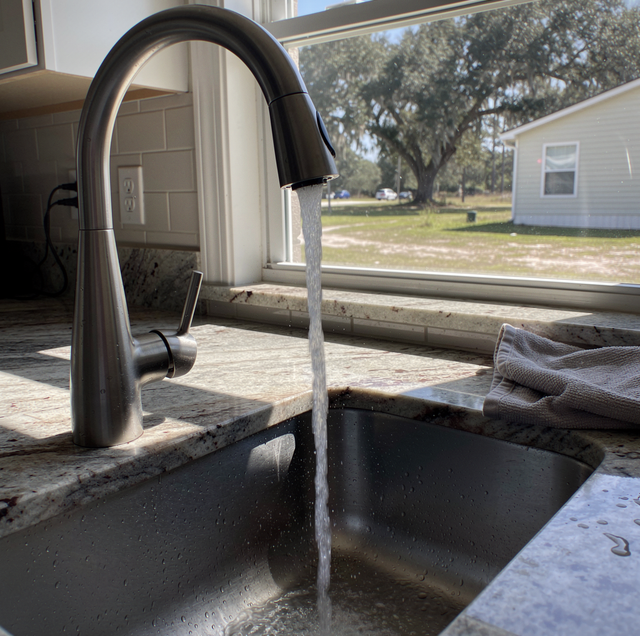
That rotten-egg odor coming out of a faucet has a specific cause, and it is not actually eggs at all. It is hydrogen sulfide gas, a byproduct of sulfur-reducing bacteria that live naturally in groundwater and in the dark, low-oxygen environment inside a water heater tank. The smell can be faint and only noticeable in a hot shower, or strong enough to fill a bathroom the moment a faucet turns on. Either way, the odor itself is a clue, and where it shows up tells you most of what you need to know before anyone opens a toolbox.
The Mechanism Behind the Smell
Hydrogen sulfide forms when sulfate-reducing bacteria break down sulfate compounds that occur naturally in groundwater, releasing hydrogen sulfide gas as a waste product. These bacteria thrive in low-oxygen conditions, which describes both a well casing and the inside of a water heater tank almost perfectly. Once gas is dissolved in water, it comes out of solution and into the air the moment water hits a faucet or showerhead, which is why the smell tends to hit hardest right when you turn a tap on rather than lingering in a filled glass.
There is a second path that produces the same smell but has nothing to do with the well itself. Most water heater tanks include a magnesium or aluminum anode rod, a sacrificial metal rod designed to corrode instead of the tank's steel lining. That anode rod reacts with sulfate-reducing bacteria already present in the water, accelerating hydrogen sulfide production specifically inside the tank. A water heater that is only lightly used, or one that has recently had its anode rod replaced with a different metal type, is a common setup that intensifies this reaction. The chemistry is different from what happens in the well, but the gas produced smells identical, which is exactly why the source has to be traced before any fix gets picked.
Whole-House Smell Versus Hot-Tap-Only Smell
The single most useful diagnostic step costs nothing and takes about five minutes: run cold water from an outside spigot or a cold-only tap that bypasses the water heater entirely, then compare that smell to what comes out of a hot tap in the bathroom.
If the odor appears in cold water drawn straight from the well, with no water heater involved, the source is in the well or in the household plumbing upstream of the heater. That points to sulfur-reducing bacteria living in the well itself, in the pressure tank, or in the distribution lines, and the fix needs to address the whole system rather than a single fixture.
If the smell appears only with hot water and the cold tap runs clean, the water heater's anode rod is almost certainly the source. This is the more common scenario in many households, since the tank's warm, low-oxygen interior is close to ideal for the anode reaction that produces hydrogen sulfide. A useful second check: if only one water heater in the house shows the smell while a tankless unit or a second heater on the same well runs clean, that narrows it down even further to that one tank rather than anything upstream of it.
A quick reference for what each pattern usually means:
| What You Notice | Likely Source | What It Points To |
|---|---|---|
| Smell in both hot and cold water | Well or whole-system bacteria | Well casing, pressure tank, or distribution lines |
| Smell only from hot water taps | Water heater anode rod reaction | That specific tank, not the well |
| Smell strongest right when a tap opens, fades after running | Gas releasing from solution at the fixture | Consistent with either source |
| Only one of two water heaters smells | Anode rod in that tank specifically | Isolated to the affected unit |
| Smell comes and goes seasonally or after storms | Bacteria levels shifting with groundwater conditions | Well-side, tied to water table changes |
Health and Safety Context
Hydrogen sulfide has a distinct smell because the human nose is remarkably sensitive to it, able to detect it at concentrations far lower than what would cause any physical effect. At the low levels typically found in household well water, the gas is generally considered a nuisance issue rather than a hazard, and public health guidance on private wells commonly treats it as an aesthetic and taste-and-odor concern rather than a safety emergency. Sulfur bacteria can sometimes accompany other water quality issues; however, hydrogen sulfide gas can also corrode plumbing fixtures, fittings, and pump components over time, even when it poses no direct concern to people using the water. This is general background information, not a substitute for an actual water test or professional evaluation of your specific system.
Treatment Options Overview
Once the source is identified, a few established approaches address it, and which one applies depends heavily on whether the smell traced back to the well or to a single water heater.
Shock chlorination treats bacteria living in the well itself, the casing, and the pressure tank. It involves introducing a chlorine solution into the well system, allowing it to circulate through all the plumbing, and then flushing it out after a holding period. This addresses the bacteria population directly rather than just masking the smell. However, bacteria can repopulate in some wells over time, so a repeat treatment down the road is not unusual.
Anode rod replacement is the fix for a water-heater-only case. Swapping a magnesium anode rod for one made of a different metal, such as aluminum-zinc, often eliminates the reaction that produces hydrogen sulfide, since different metals interact differently with the bacteria present in the water. In some cases, a powered anode rod that doesn't rely on sacrificial metal corrosion at all removes the reaction entirely. This is a targeted fix that leaves the rest of the plumbing system untouched, appropriate when the cold tap runs clean, and the issue is isolated to one tank.
Aeration systems treat whole-well cases by introducing oxygen into the water, which oxidizes hydrogen sulfide gas, allowing it to be vented or filtered out before the water reaches household fixtures. This tends to suit situations with a persistent, higher level of sulfur bacteria activity across the whole system rather than an isolated issue.
Filtration systems, including certain carbon-based or oxidizing media filters designed specifically for sulfur removal, offer another whole-house option, often paired with aeration for higher concentrations. The right filtration approach depends on the concentration of hydrogen sulfide and other water quality factors, such as iron content, which is common in the same groundwater conditions that produce sulfur odor in the first place.
None of these approaches are universally correct without knowing what the water actually contains, which is why testing comes before any fix gets chosen.
When to Call a Well or Pump Professional
A rotten-egg smell is worth a call for water testing any time it's new, it's gotten stronger, or the simple hot-versus-cold comparison doesn't give a clear answer. Testing measures the actual hydrogen sulfide concentration along with related factors like iron and bacteria levels, which is the only reliable way to size a treatment system correctly rather than guessing at one. A technician can also inspect the pressure tank and distribution lines for signs that bacteria have taken hold beyond just the well itself, something that's hard to assess from a faucet alone.
It's also worth having a professional look at things if the smell appears alongside other changes, like cloudy water, a metallic taste, or a sudden shift in pump cycling, since those combinations sometimes point to multiple issues developing in the same system at once. A trained technician who tests before recommending a fix, rather than defaulting straight to the most expensive system, is worth choosing over one who skips that step.
Frequently Asked Questions
No. Hydrogen sulfide from sulfate-reducing bacteria is a naturally occurring groundwater condition and is unrelated to sewage contamination. The two produce distinctly different smells to a trained nose, and a water test can confirm what's actually present rather than relying on smell alone.
Water that sits still in pipes or in a water heater tank gives hydrogen sulfide gas time to build up in concentration before anyone draws water again. Running the tap for a few seconds often clears the stagnant water and noticeably reduces the smell, even before any treatment occurs.
It often provides months to a couple of years of relief by significantly reducing bacteria levels in the well, but sulfate-reducing bacteria can migrate back into a well over time from the surrounding aquifer. Some households need repeat treatments periodically, while others see the smell stay away much longer. Testing after treatment is the best way to track results.
The rod itself is a mechanical part that some homeowners handle themselves with the right tools, but fully draining the water heater tank and reinstalling the rod correctly are important for the tank's warranty and for avoiding leaks at the fitting. If you're not familiar with working on a water heater, having a professional handle it avoids a bigger problem than the smell you started with.
Usually not on its own, and it can become an unnecessary expense. If cold water runs clean and only the hot tap smells, the anode rod is almost always the actual source, and treating the whole system when the issue is isolated to one water heater tends to miss the real cause.
Not directly, though hydrogen sulfide gas can corrode metal components over time if bacterial levels are high and go untreated for years. The smell itself is not a sign of a pump or tank failure, but a professional inspection to address the odor is a reasonable time to check those components as well.
Schedule a water test — find out whether that rotten-egg smell is coming from the well or the water heater before picking a fix. Perry-Pump Repair Service LLC serves Lake Butler, Gainesville, and Alachua. Call (352) 474-7142.
