
How Often Should a Well Pump Be Serviced?
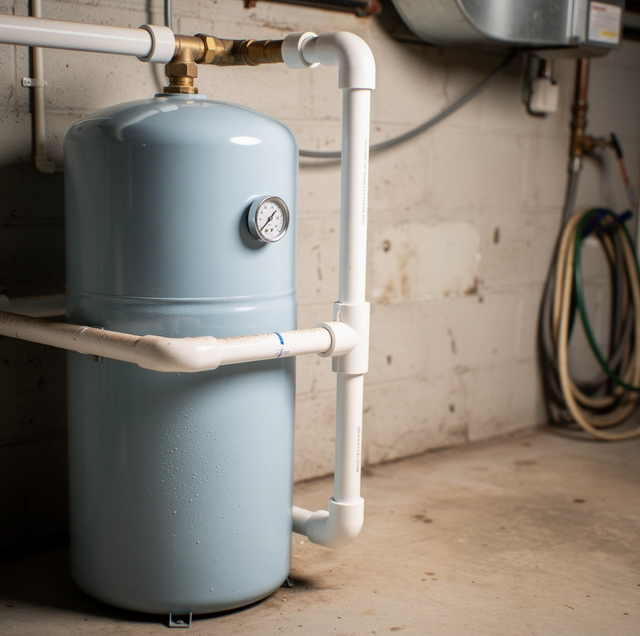
A well pump runs buried in a casing or tucked away in a pump house, largely out of sight and easy to forget about until the water stops. Unlike a furnace filter or a car's oil light, nothing on your well system flags when a part is wearing out. By the time you notice low pressure or a pump that won't stop cycling, the issue has usually been building for weeks.
Regular service closes that gap. It catches worn parts, clogged screens, and electrical strain before they turn into an unexpected loss of water at the tap. Here's how often a well pump actually needs attention, what pushes that timeline up, and what a technician checks when they show up.
The General Rule for Well Pump Service
For most residential systems, an annual checkup is the baseline. Once a year, a technician tests the pump's amp draw, checks the pressure tank's air charge, inspects the pressure switch, and looks over the wiring and connections for corrosion or loose terminals. That single visit catches the slow-developing problems that don't announce themselves: a switch that's starting to stick, a tank that's lost its air cushion, a pump that's drawing more current than it should.
Systems under heavier demand need a shorter interval. A well feeding irrigation, livestock, or a large household with multiple bathrooms cycles the pump far more often than a basic single-family setup, and more cycles mean faster wear on the switch contacts and pump bearings. For those systems, twice-a-year service is a more realistic cadence. A booster pump paired with a constant pressure system also benefits from a closer look on a similar schedule, since it's running near-continuously to hold pressure steady rather than cycling on and off.
Age matters too. A pump and tank under five years old, under normal-demand conditions, can typically stick to the annual baseline rather than step up to a twice-yearly cadence. Once a system passes the decade mark, tightening the interval helps catch the wear that naturally comes with an aging pump before it turns into a failed motor or a burst tank bladder.
Signs That Move Up the Timeline
Some signs mean the next service call shouldn't wait for the calendar. Here's a quick reference for what to watch for and how much urgency it deserves.
| Sign | What It Often Points To | How Soon to Call |
|---|---|---|
| Water pressure that swings high, then low | Failing pressure switch or waterlogged tank | Within a week |
| Pump cycling on and off rapidly | Short cycling from tank or switch trouble | Within a few days |
| Cloudy, sandy, or gritty water | Worn screen or sediment past the filter | Within a week |
| Chattering or grinding pump noise | Bearing wear or a pump nearing failure | As soon as possible |
| Rising electric bill with no other cause | Pump motor working harder than it should | Within a couple weeks |
| Air sputtering from faucets | Losing prime or a cracked suction line | As soon as possible |
| Frequent breaker trips at the pump circuit | Electrical strain or a failing motor | As soon as possible |
Any one of these on its own is worth a call. Two or more happening together usually means the system is closer to a breakdown than a routine visit, and it's worth having a technician look at the whole setup rather than waiting.
What a Service Visit Actually Checks
A well pump service visit isn't a quick glance at the wellhead. A thorough visit works through the whole system, since a problem in one part often shows up as a symptom somewhere else.
Pressure tank condition: The tank maintains a cushion of air that lets the pump rest between uses rather than running every time a faucet opens. A technician checks the air charge against the tank's rating and looks for waterlogging, which forces the pump to cycle far more than it should.
Pressure switch and settings: The switch controls when the pump turns on and off based on tank pressure. A technician tests the cut-in and cut-out points and inspects the contacts for pitting or corrosion, since a worn switch is one of the most common reasons a pump short cycles.
Pump amperage draw and runtime: Measuring the pump's current draw relative to its rated draw indicates whether the motor is straining. A pump working harder than it should often means bearing wear, a failing capacitor, or a mechanical bind that isn't obvious from the surface.
Electrical connections: Wiring at the pressure switch, control box, and wellhead gets checked for corrosion, loose terminals, and signs of surge damage. This part of the inspection stays with the technician; a homeowner shouldn't open a pump's electrical connections, since a submersible pump circuit carries enough current to be dangerous to work on without the right training and equipment.
Filters and screens: Sediment and sand work through a well system over time, and a clogged filter or intake screen reduces flow long before the line fully blocks. A visit typically includes checking filter condition and replacing it if it's past its useful life.
Wellhead and casing: The visible parts above ground, the well cap, casing, and any wellhead extension, get inspected for cracks, gaps, or damage that could let debris or surface water into the well.
Why Ground and Water Conditions Push the Interval Shorter
A few conditions common to rural properties served by a private well push maintenance needs above the general baseline.
Sandy soil, common on many rural properties with well water, allows fine sand and sediment to move more aggressively toward screens, filters, and pump intakes than denser soil would. A filter that would last most of a year in denser soil can clog in a fraction of that time in sandy ground, and a screen that isn't checked regularly lets more sediment reach the pump itself.
A high water table combined with heavy seasonal storms adds another layer. Saturated ground and storm runoff put more stress on wellheads and casings, and a well that's been sitting in standing water after a storm is worth a check even outside the normal schedule. Lightning is a real factor too: a pump's electrical components sit exposed to surges through the power line, and a nearby strike can damage a control box or motor even if nothing looks wrong at the surface.
Water chemistry plays a role as well. Iron and sulfur are common in well water drawn from sandy, high-water-table ground, and both contribute to scale buildup and filter clogging more quickly than in clean water. A filtration system treating iron or sulfur needs more frequent filter checks than one handling clean water, even on the same pump service schedule.
Different Pump Types, Different Wear Patterns
Not every well pump wears the same way, and that affects how closely it needs to be watched.
A submersible pump sits in the well, fully surrounded by water, which protects it from much surface wear but makes hands-on inspection harder without pulling it out. Because of that, testing amp draw and pressure performance from above ground becomes the main way to catch trouble early, which is part of why a regular electrical and pressure check matters so much for these systems.
A jet pump sits above ground, typically in a utility room, pump house, or similar above-ground space. It's easier to inspect visually, since you can see and hear it running, but it's also more exposed to temperature swings and physical bumps than a submersible pump buried in a casing.
An irrigation pump often runs in bursts through a growing season and then sits idle for stretches, which is its own kind of wear. A pump that sits unused for weeks can develop issues with priming or seals drying out, so a check before a heavy-use season starts is worth as much as one after it ends.
Getting the Timing Right
A single annual visit, done consistently, catches most of what causes an unexpected outage. Add in a second visit for a heavier-use system, and pay attention to the signs above rather than waiting for the next date on the calendar, and a well pump can run for years without a surprise. The system doesn't ask for much. It just needs someone to check on it before minor wear turns into a morning with no water.
Frequently Asked Questions
A standard annual check, covering the pressure tank, switch, amp draw, and wiring, typically runs 45 minutes to about an hour and a half. A visit that also involves pulling a filter cartridge, testing the wellhead seal, or troubleshooting a specific symptom can run longer.
If the system uses a standard cartridge-style housing, many homeowners can swap the cartridge between visits once shown how, which helps in sandy conditions where filters clog fast. Anything involving the pressure tank, switch, or wiring should be handled by a technician, since those parts require pressure and electrical testing to be serviced correctly.
Keep an eye on the pressure gauge and how often the pump cycles over the next day or two. A pump that starts short-cycling, runs longer than usual to reach pressure, or trips the breaker on the pump circuit more than once is a sign of surge damage, which tends to show up as a sudden shift right after a storm rather than the slow, gradual drift typical of ordinary wear. None of that requires opening the control box or touching any wiring yourself — if you notice a sudden change like that, it's worth moving up the next inspection instead of waiting for the scheduled visit.
A submersible pump generally lasts eight to fifteen years with consistent maintenance, while a jet pump's above-ground components often need attention a bit sooner due to greater exposure. Skipping service doesn't always shorten a pump's total lifespan, but it raises the odds of an unexpected failure well before that range is up.
The timing follows the pump's use pattern rather than a fixed calendar date, with a check worthwhile before a heavy-use season starts or once it winds down. A telltale sign of a pump that's sat idle too long is trouble holding prime: it runs, but pressure builds slowly or sputters instead of coming up right away, which points to a dried-out seal or trapped air rather than a worn part. Checking an irrigation pump also means paying closer attention to the foot valve and intake screen than a typical household well pump inspection would, since those parts sit exposed to more debris in a pond, canal, or shallow source.
A service visit measures a pump's condition at that moment, so a failure that shows up soon after is more often wear that was already progressing and happened to reach its breaking point around the same time. Calling back the same technician is worth doing regardless, since they'll already have your system's baseline readings on hand to compare against.
Schedule a well pump service visit — get a full system check from a trained, certified technician who won't cut corners. Perry-Pump Repair Service LLC serves Lake Butler, Gainesville, and Alachua. Call (352) 474-7142.
