
Preventing Downtime in Irrigation Systems with Timely Repairs
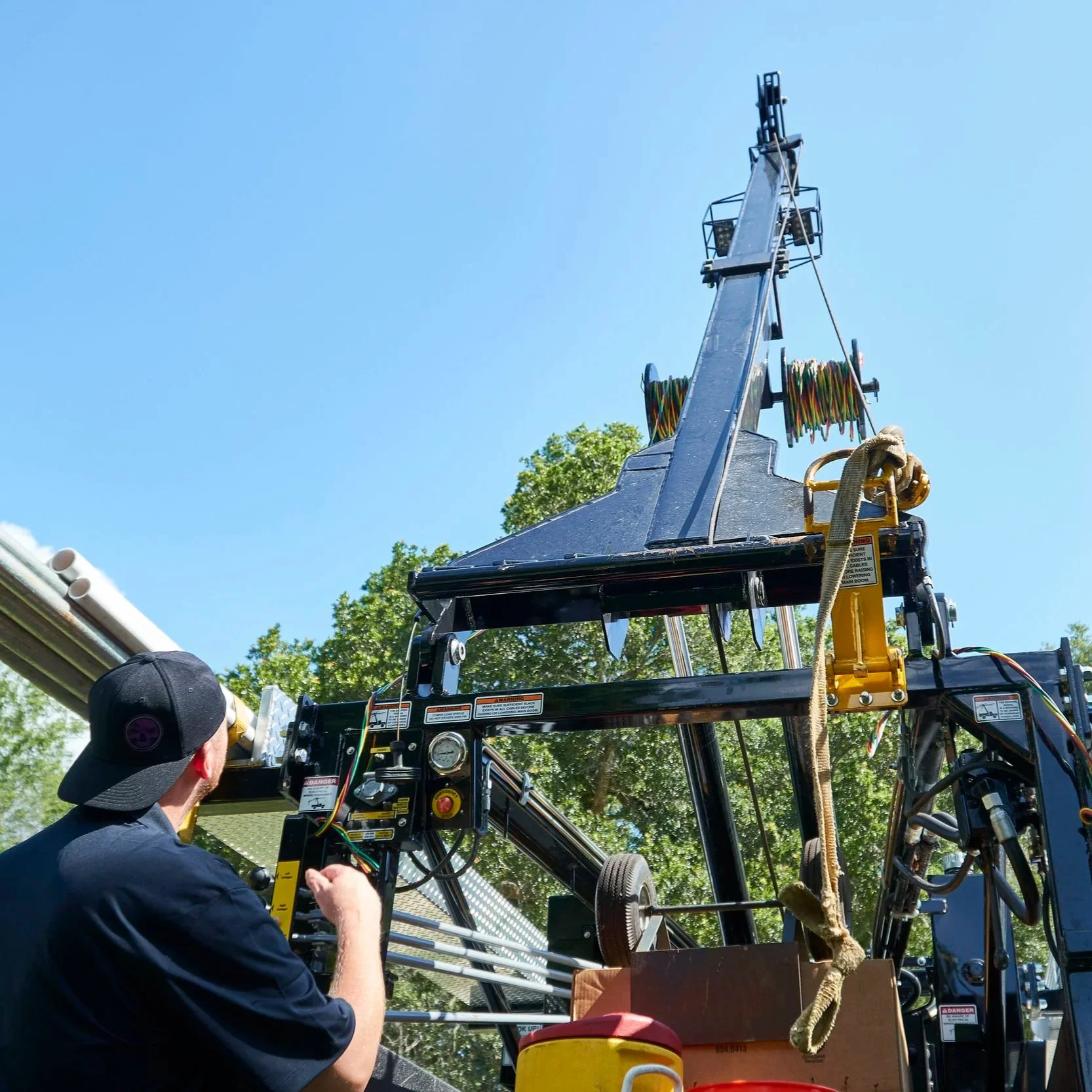
Nothing good comes from a stalled irrigation system—unless you're a weed looking for less competition.
When crops are thirsty, and the sun is beating down like it's auditioning for a Western, the last thing anyone wants is an irrigation pump deciding it's time for a nap. Nothing good comes from a stalled irrigation system—unless you're a weed looking for less competition. For everyone else, downtime can spell lost yields, stressed plants, and a whole lot of pacing around the field asking the sky, "Why today?"
Timely irrigation pump repair is the hero in this story. It's not just about fixing what's broken—it's about keeping things running so your plants don't miss a drink and your schedule doesn't fall apart like an overcooked biscuit. Professional service teams aren't just helpful—they're essential partners in keeping your irrigation system running without drama.
Spotting Trouble Before It Starts
Irrigation systems rarely scream when something's wrong. More often, they whisper—pressure readings that aren't quite right, strange noises, tiny leaks, or just a feeling that something isn't moving as fast as it used to. Ignoring those whispers is a little like driving with the check engine light on and hoping for the best.
Professional technicians know how to listen for early warning signs. It's not just about plugging in diagnostics and calling it a day. It's experience, observation, and knowing that a squeaky bearing today can mean a seized pump tomorrow. By catching issues early, a quick repair or adjustment can prevent days or even weeks of costly downtime.
Pump Repair Isn't Just "Plug and Play"
Modern irrigation systems can be pretty complex. Between centrifugal pumps, submersibles, drip lines, pressure regulators, and control panels that look like spaceship dashboards, there's a lot that can go sideways.
Timely repair from a trained technician means looking beyond the obvious. Maybe it's not just a blown motor. Maybe the pump's voltage dropped due to an old connection. Maybe there's a crack in the suction line, letting air in and throwing off the pressure. Maybe a sand-packed impeller is quietly grinding away at efficiency. The point is, fixing pumps is part science, part sleuthing. It's not just about getting water moving again—it's about restoring the system to optimal performance so it won't flinch the next time the temperatures hit triple digits.
The High Cost of Delay
When a pump fails, everything downstream feels it. Water distribution becomes inconsistent. Plants in dry spots start to droop. Nutrient uptake slows. Stress builds up in the crop, which might not bounce back fully, even after irrigation is restored. And then there's the scramble. Trying to source a replacement part during the height of the growing season is a little like trying to find a snow shovel after the first flake has fallen. You're competing with every other grower who waited too long, hoping the system would hold out.
Professional repair services help avoid that mad dash by prioritizing early intervention. If a technician spots a cracked housing or a tired bearing during a routine service call, they'll flag it before it becomes an emergency. Repairs can be scheduled calmly, without disrupting irrigation schedules or taking up valuable time mid-season.
Emergency Repairs Without the Guesswork
Of course, surprises still happen. A lightning strike. A curious rodent. A teenager on a four-wheeler who thought the pump station was a great place to "do donuts." When systems fail out of the blue, fast action matters.
A professional repair team doesn't roll in with a lucky wrench and a YouTube playlist. They bring diagnostic tools, manufacturer knowledge, and a truck stocked with common parts. They've seen enough to recognize when a motor needs rewinding rather than replacing, or when a control panel is just throwing a tantrum rather than experiencing a full meltdown. Fast, accurate repairs mean less downtime, less water stress, and fewer gray hairs.
Keep the Pressure On (In the Good Way)
Pressure regulation is one of the unsung heroes of irrigation performance. Too much pressure, and emitters can burst, pipes can split, and water efficiency goes down the drain. Too little pressure, and you're left with sad little dribbles that never reach the far end of the field.
Pump repair often involves recalibrating the pressure output. Wear on impellers, valves, and sensors can cause pressure drift, which subtly erodes system performance. Professional service teams use pressure gauges and flow meters to tune the system back to spec, making sure every corner of your field gets the water it needs—no more, no less.
Wiring Woes and Electrical Oddities
Irrigation pumps aren't afraid of a little hard work, but their electrical systems are a bit more sensitive. Voltage imbalances, faulty capacitors, or frayed wiring can knock a perfectly good pump offline.
One of the most common culprits of pump downtime is a seemingly minor electrical hiccup. A corroded terminal here, a stuck relay there—suddenly the system won't start, and you're staring at a pump with no signs of life. A seasoned technician can quickly trace the issue, replacing only what's necessary without falling into the trap of "well, let's replace everything and see what works." Professional service means efficiency. Not just in water flow, but in repairs that make sense for your time and your wallet.
Don't Forget the Control Systems
Today's irrigation pumps often come paired with smart controls, including programmable timers, pressure sensors, flow monitors, and remote access tools. These systems are brilliant… until they aren't.
When something goes wrong with the control panel, it can be hard to tell if the pump's misbehaving or the software just needs a firm reset and a pep talk. Professional service technicians speak fluent firmware. They know how to update systems, replace faulty boards, and sync everything so it runs like it just came off the showroom floor. Timely repairs to the control system can bring everything back online quickly, preventing downtime not just from mechanical issues but also from technical glitches.
Routine Maintenance: The Best Repair Is the One You Never Need
Nobody dreams about pump maintenance. There's no holiday dedicated to checking flow rates. But routine upkeep is the quiet MVP of irrigation performance.
Professional service teams don't just fix problems—they help stop them from starting. Cleaning filters, flushing sediment, tightening fittings, testing sensors—each small step builds reliability into your system. And let's be honest, fewer emergencies means more time for the things that actually make farming rewarding. Maintenance calls can also serve as reality checks. If your system is underperforming every season, it may be time for an upgrade or redesign. A good technician doesn't just fix what's broken; they help plan for the future.
Choosing a Repair Partner Who Thinks Like a Farmer
Not all service providers are created equal. A great irrigation pump repair partner understands how seasons work, how schedules tighten, and how crops can't be put on hold. They're not just wrench-turners—they're problem solvers.
Look for a team with agricultural experience. Someone who knows what sand does to a submersible. Someone who can talk PSI and GPM without blinking. Someone who picks up the phone when the pump doesn't. Building a relationship with a trusted repair team means faster service, better communication, and fewer unwanted surprises. Think of it as irrigation insurance—with a human face and a socket set.
Downtime Doesn't Have to Be a Disaster
Every farmer knows that things break. But in the world of irrigation, how fast you fix it—and how well you maintain it—can mean the difference between a hiccup and a harvest-threatening headache.
Timely repairs handled by skilled professionals keep your pumps running, your crops growing, and your season on track. No guesswork. No duct tape and prayers. Just solid service from folks who've seen it all, fixed most of it, and always come back when they say they will. Because when your crops are depending on a steady supply of water, there's no room for downtime, excuses, or crossed fingers. Only results. And maybe a perfectly calibrated pressure valve, humming away like it's living its best life.
Perry-Pump Repair Services offer premium pump repair and well services in Lake Butler and surrounding areas. We have trained and qualified professionals for irrigation pump repair, well inspections, sediment filter replacement, pond pump repair. We offer services at highly competitive prices. Call us to schedule an appointment.